Blue Prince and Weimar Germany: January 2026 - Monthly Roundup

Whereas Weeknotes provide a brief summary of the weeks' affairs and a selection of relevant photos, Monthly Roundups act as a retrospective on video games, albums, books, movies, essays, and television programs that defined my month. Accompanied below are my thoughts on them, including how I engaged with them, but also what I consider praiseworthy and subject to fair critique.
Tainted Grail: The Fall of Avalon (Video Game)
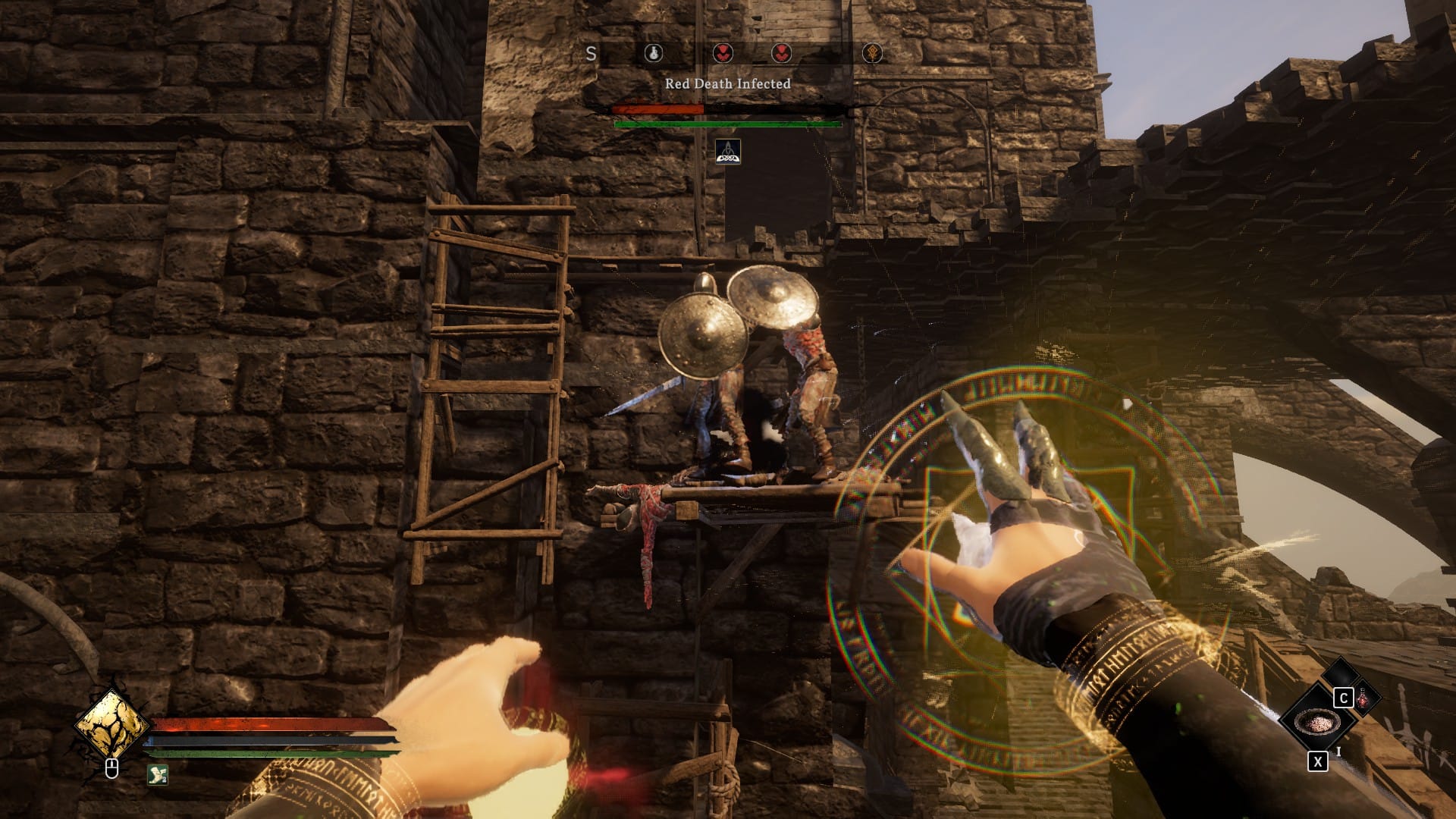
The dark fantasy world of Tainted Grail: The Fall of Avalon is based on Arthurian legend. You begin, just as you do in Elder Scrolls IV: Oblivion, in a prison cell. It has been six hundred years since the passing of King Arthur and Avalon is gripped by crisis. The Red Plague is spreading and Wyrdness is encroaching on Avalon – a kingdom that is plainly in a terminal state of decline. Once departed from Island Asylum, which acts as the game's tutorial, you are unleashed upon the land. The main story itself is broken into three acts with each act corresponding to a new open world map. The world itself is small relative to other open world RPG games, but though I hoped the developers would balance this with greater depth to the story and worldbuilding, I did not find that nuance anywhere. Instead, the dark fantasy elements found here are earnestly yawn-inducing.
As far as gameplay is concerned, combat is meatier than the genre's first-person forebearers, though it is nothing extraordinary. For my playthrough, I leaned into a mage playstyle – combining wands/staffs and magic skills. Attributes and skill trees provide a classic experience as far as role-playing game systems are concerned, though there is a bit more to work with here. This makes building your character for a specific playstyle easy to accomplish with enough weapon variety and armour sets to keep things interesting. But fundamentally, there is no innovation for the RPG genre. All of this might be serviceable, but the most challenging aspect of combat in Tainted Grail: The Fall of Avalon is how unbalanced combat felt. I never left feeling accomplished from clearing a point of interest or defeating a boss. I am used to challenging combat encounters (I've beaten and adored Elden Ring), but often these fights were ridiculous and felt out of place with my character's progression. Add to this how horrendously AI enemies can be cheesed at times and I was finding myself feeling like I was slogging through a chore rather than playing a game. There were times that I could simply jump on a rock and an enemy wielding a melee-weapon would be unable to damage me. Add in how odd health pools can be when enemies are not scaled appropriately and I found myself wasting leisure time casting spells.
Still, if you are familiar with the jankiness prevalent throughout Bethesda Game Studios' Elder Scrolls IV: Skyrim or Obsidian Entertainment's Fallout New Vegas, and you are looking for something with a familiar RPG system at its heart, then there is something to be enjoyed here. But for myself, after spending sixteen hours with this game, I had not only decided that my time was better spent playing something else, but I was left second-guessing the merits of RPGs I had enjoyed in the past. I suppose that is an accomplishment – just not one to celebrate.
"It's sad, but as you can see, not much depends on us. The world just keeps on happening... and you happen right along with it."
- Hob in Tainted Grail: The Fall of Avalon
Friendship (Movie)
As someone with little concern for movies as a medium (sorry Erin), I was surprised with how interested I was in watching Andrew DeYoung's recent film: Friendship. Conceptually, this film explores the challenges of male friendships. It follows Craig (played by Tim Robinson), a socially-awkward suburbanite with nothing going on in his life. His wife, Tami, (played by Kate Mara) pushes Craig to join his his TV meteorologist neighbour, Austin (played by Paul Rudd) for drinks. The two quickly bond and form a friendship (wait a second – that's the name of the movie...) Much of the movie, however, takes place after Austin ceases being Craig's friend, with the latter's subsequent crashout carrying the plot along. Whilst the film is a comedy, with Tim Robinson's characteristic cringe-inducing role being the highlight, there is a tension that is reminiscent of a thriller. Craig's inability to accept social rejection paired with his absence of social awareness gives the film an eeriness that is hard to shake.
But still, comedy or thriller, Friendship speaks to the reality of social isolation reported amongst men – a phenomenon often tied to men maintaining fewer platonic relationships (with less emotional intimacy to boot). In a recent 2024 study (discussed in this excellent New York Times essay), it revealed that around 26 percent of men reported having six or more close friendships – much lower than the 55 percent reported in 1990. More relevant to Craig's bleak social isolation, the same study found that 17 percent of men maintained no close friendships today compared to the 3 percent reported in 1990. And whilst rates of social isolation are up across the board, this is more pronounced with men and it should be concerning anyone invested in seeing boys grow up to be emotionally-intelligent men. Craig is not an emotionally-intelligent man and it brings social disorder into his loved ones' lives – as is often the case with toxic masculinity.
"I had an orgasm in the sewer system."
- Tami Pinto in Friendship
Shamanism: The Timeless Religion by Manvir Singh (Book)
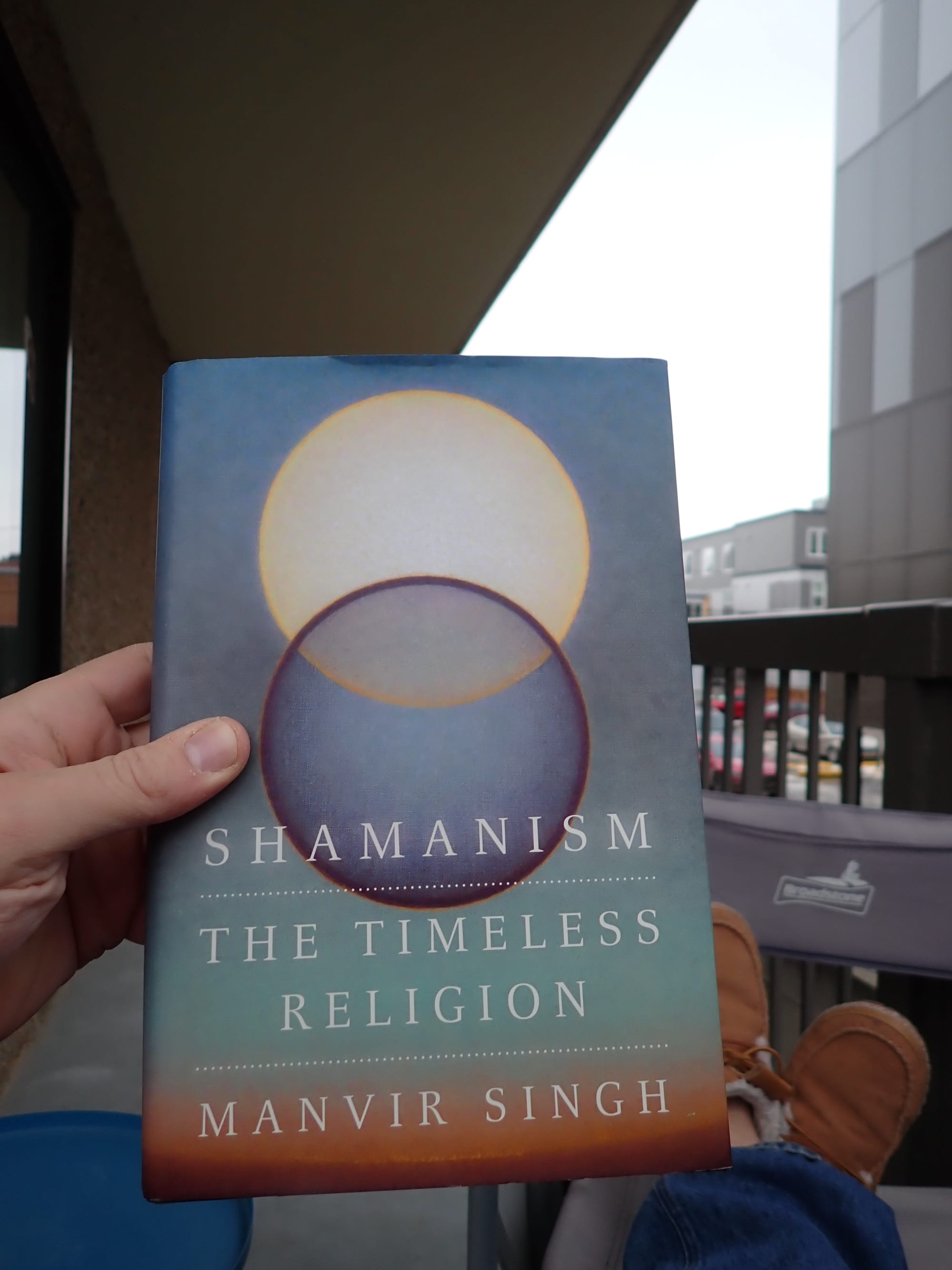
Manvir Singh's debut non-fiction is a humanistic exploration of shamanism – a universal cultural practice that is often viewed as primordial and doomed-to-decline by many within modern industrialized societies. In this regard, I too held these beliefs upon beginning this book. Singh's anthropological book is split into two parts. Part 1 is dedicated to exploring shamanism as a cultural tradition and intends to provide clarity on its unifying elements. We explore the role of the shaman as a specialist who "though non-ordinary states, engages with unseen realities and provides services like healing and divination" Not only does this section clarify the shaman's role, but also explores how the practices works for their respective communities. Though the book does focus on similarities, it maintains recognition for the diversity within shamanistic practices as well.
In Part 2, Singh turns towards ensuring the reader understands that the cultural practice of shamanism is neither archaic or exotic. Rather, this traditional role is timeless and global. Singh argues that the continuous presence of shamanism within human societies is "informed by our understanding of human psychology and cultural evolution. Our desperation to control uncertainty, our suspicions that agents cause misfortune, our tendency to accept special powers when people move beyond humanness – all of them interact to produce a ripe psychic setting for shamanism to blossom." In making this argument, he takes the reader to explore the commonalities found within a range of shamanistic practices, including the remote Andaman Islands, dust-caked tents at Burning Man, and the Bible's New Testament. These examples highlight the universality of shamanism, which is deeply appealing to my sensibilities and left me with greater respect for the humane practice itself. This humanness is found in all performing artforms, because just like many theatre more broadly, shamanism creates a "captivating, consuming reality - a conflagration of light, touch, costumes, music, and theater that, in the case of healing, persuades a client they are being treated." What a fantastic book!
"People in modern industrialized societies are like people everywhere. They want to be healed. They want to tame uncertainty. And they are predisposed to see supernatural contact as a potent way of achieving these goals."
- Manvir Singh in Shamanism: The Timeless Religion
Pink Flag by Wire (Album)
In addition to Gang of Four's incredible 1979 debut album Entertainment!, Wire's seminal debut 1977 album Pink Flag is foundational to the early development of post-punk. As characteristic of these early years within the genre, this album is full of abrasive vocals and angular guitar riffs with the quintessential charm of punk's snarl. And similarly, most of the tracks are very short compared to modern standards with a majority of tracks being under two minutes. Though many of the books or video games on this list offered more opportunities for self-reflection and commentary, albums like Pink Flag are just heaps of fun and they can stand on their own without my further exposition. Among my favourites for the album are tracks like "Mannequin" and "Strange."

"Next week will solve your problems
But now, fish fingers all in a line
The milk bottles stand empty
Stay glued to your TV set (TV)"
- "Ex Lion-Tamer" - Wire
Blue Prince (Video Game)
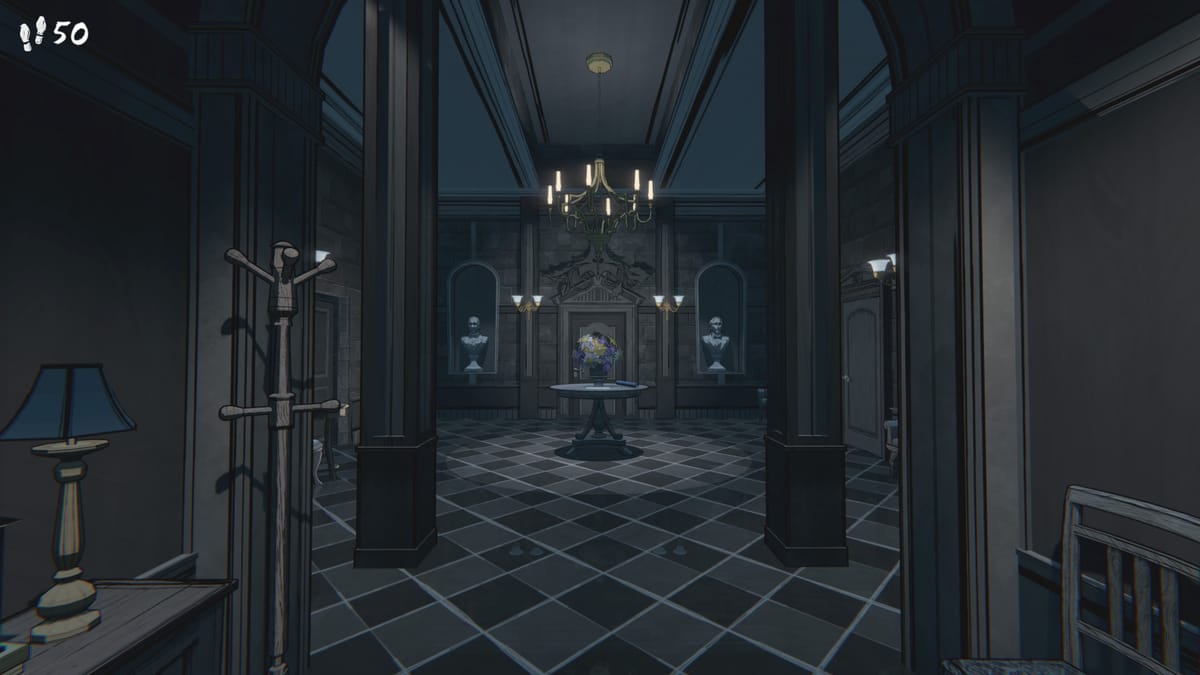
Playing Blue Prince with Taylor has been the highlight of my month and there is simply no contest. This debut indie darling from Dogubomb is a puzzle adventure game with strong roguelike elements. The narrative hook of Blue Prince is that you play as Simon: a young boy and potential heir to the fortunes of his great-uncle Herbert S. Sinclair. To secure your inheritance, you must navigate his ever-shifting architectural anomaly of a manor and reach the fabled Room 46. The challenge, however, is the fact that rooms are drafted from a pool of options with the player only able to chose one amongst three options. Some rooms, like walk-in closets or storerooms, are always dead-ends, but may provide the player with potential resources or tools along the way. Some rooms, like a corridor or hallway, offer more potential options for continuing your adventure throughout the manor. Other rooms offer puzzles to solve, function as shops, or provide a much-needed broader utility, but the position and orientation for all rooms is vital for reaching the antechamber. Additional limits to reaching Room 46 include using up finite resources like steps, keys, gold, and gems, but there are numerous helpful tools that can be bought or found each run that provide much-needed assistance (like a shovel or magnifying glass).
Regardless, there will come a point where the player must call it a day due to the inability to continue forward and the following morning, the manor resets. Every day, Simon begins at the entrance to start the process anew. Advancing through Blue Prince requires the player not only manage these resources strategically and acquire useful tools, but also to solve a range of puzzles that might provide players with more resources, unlock permanent upgrades, or reveal greater insights into the broader puzzle of the manor itself. Of course, on its own, the gameplay loop is fantastic, but the atmospheric (and often isolating) world design, beautiful immersive soundtrack, and surprisingly deep family lore makes this an instant classic and true masterpiece. As we worked our way through manor's intricate design and digested fragments of narratively-rich lore, we recorded information down in our notebook and slowly but surely unraveled much of this grand mystery.
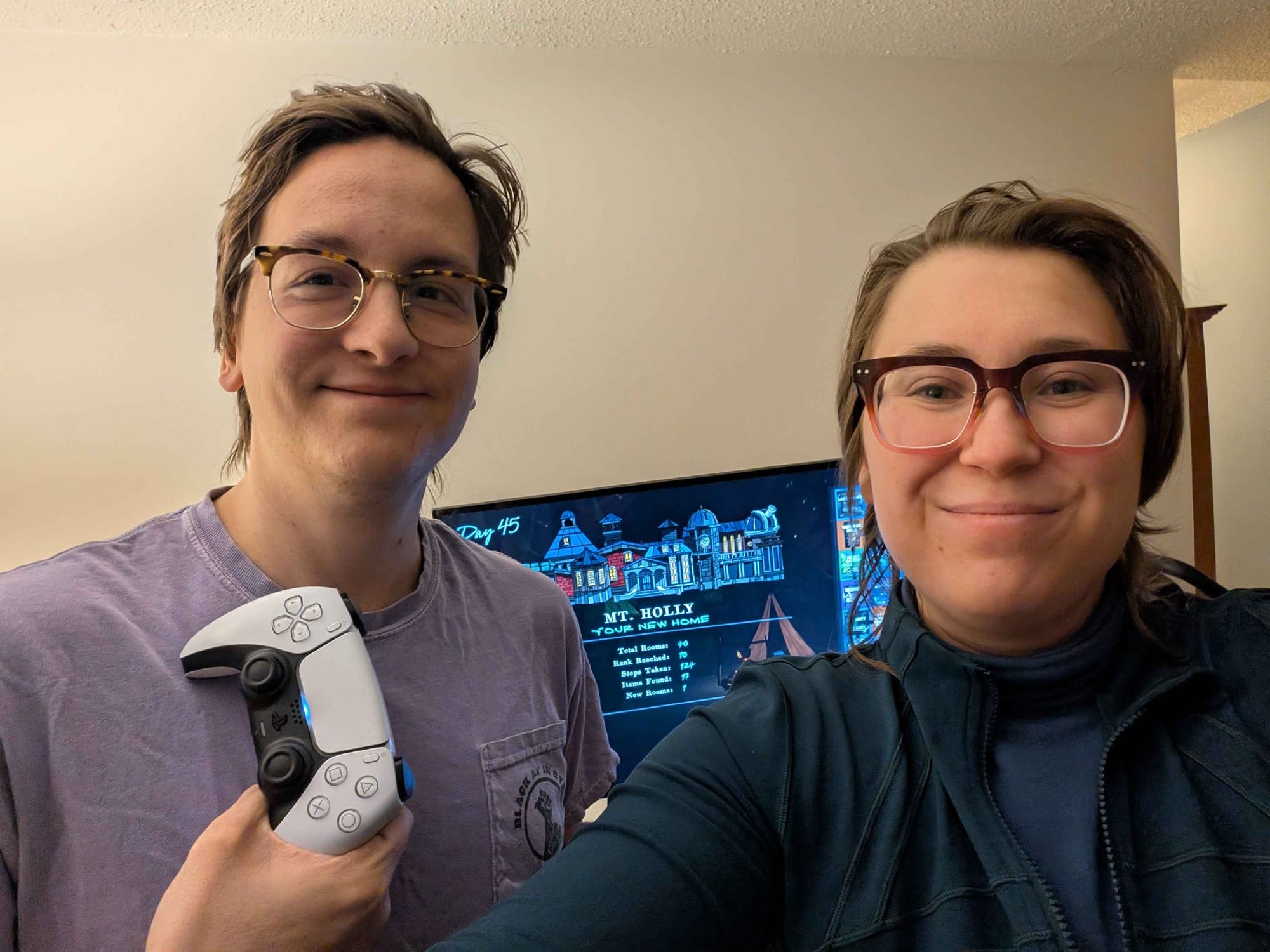
In a mad dash with a stopwatch in hand and after forty-five days under our belt (with a heap of distractions and delights along the way), we finally reached Room 46 and rolled credits.
"And I do wonder what plans and prospects of yours will be sacrificed upon the family font of convention. What biography of your own will you forsake to add another page to your father's memories, or your mother's or mine."
- Herbert S. Sinclair in Blue Prince
Vertigo: The Rise and Fall of Weimar Germany by Harald Jähner (Book)
Back in 2022, I read the German journalist Harald Jähner's Aftermath: Life in the Fallout of the Third Reich, 1945–1955 and it was a fantastic read that explored the rubble left following the collapse of Nazi Germany. In his history of the Weimar Republic, Jähner delivers another stunning panoramic view of the tumultuous period that preceded the Nazi regime. As other relevant historical texts do, this book recounts how the time's extreme partisanship boiled over into street melees, and described the wheelbarrows of German marks, which both defined early 1920s hyperinflation and dominated contemporary historical depictions. The wonder of this book, however, is Jähner's signature emphasis on culture. This is a story of a nascent German republic; a republic that has been (1) battered from four-years of continental slaughter, (2) faced intense inflationary pressures, and (3) haphazardly transitioned into a newly-established electoral democracy. Under these conditions, a vibrant and electrifying culture blossoms.
Throughout the book, Jähner guides the reader through cultural flashpoints, some of which are familiar to our contemporary depictions of the roaring twenties (the bob hairstyle and the Charleston come to mind), but most of which have a unique place in this national moment. For instance, I found particular interested in his chapter regarding the German arts scene with topics ranging from Bauhaus' design philosophy (resulting in chromatic minimalist furniture like the Cesca chair) to the fierce politically-polarized architectural debates regarding the shape of one's roof. Another chapter of notoriety pertained to the transformation of urban centres, with streetscapes being remade for motor vehicles and new housing districts constructed to address overcrowded unhygienic squalor. Other chapters describe downtown offices full of glittered and ambitious women typists, staunchly conservative newspapers, and the brilliance of boxing.
But for all the freneticism, there is a tension throughout this book. Because as the reader, more than most chapters of 20th century history, we know where this is heading: the rise of the brutal Nazi regime and the continental horrors they wrought to millions of innocent people. In the closing pages of what amounts to an epilogue, Jähner provides a briefing on how central figures of the Weimar Republic found themselves faring during the Third Reich. Some went into exile to live the rest of their lives riddled with alcoholism and memories of a lost future. Others found themselves, eagerly or reluctantly, engaging with the Nazi regime. And of course, many more were murdered in concentration camps.
Astute observers will witness the extreme political polarization and belligerent authoritarian nationalism within today's United States of America and find the similarities to the Weimar Republic startling. They raise alarms and a call for unity within the American Republic. But for myself, whilst I share those concerns and hope for U.S. democracy to win out, I cannot help but think that maybe I should start paying more attention to independent Poland in the 1920s. It might be more relevant to Canadians than we'd like to believe.
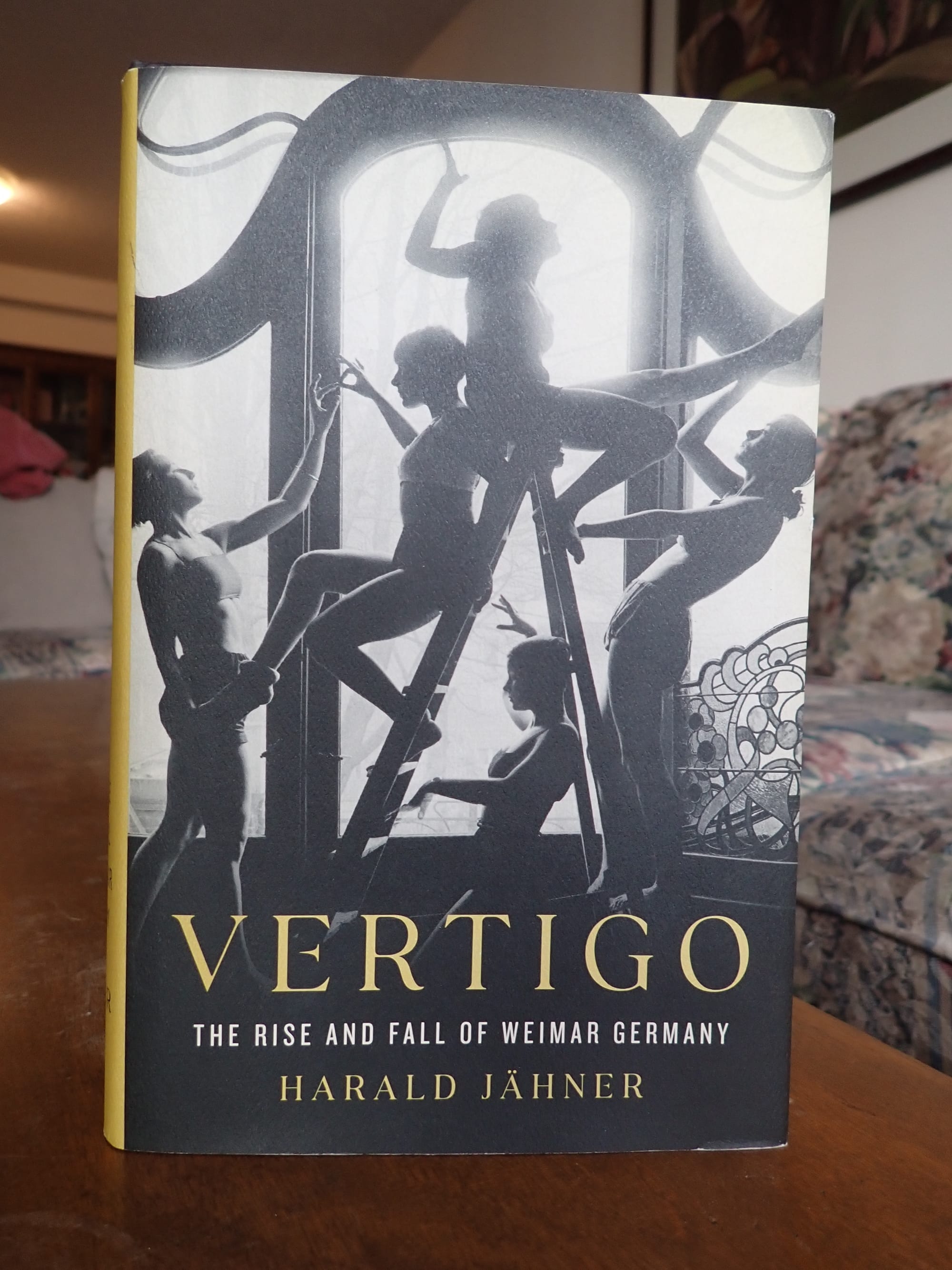
"Any historical narrative implicitly asks questions concerning individual responsibility. The march towards National Socialism was not inevitable. Weimar democracy was not so weak that any other outcome was unimaginable. People had a choice, each of themselves, including in the polling booth. At the time, they coun't see exactly how important that choice was."
- Harald Jähner in Vertigo: The Rise and Fall of Weimar Germany
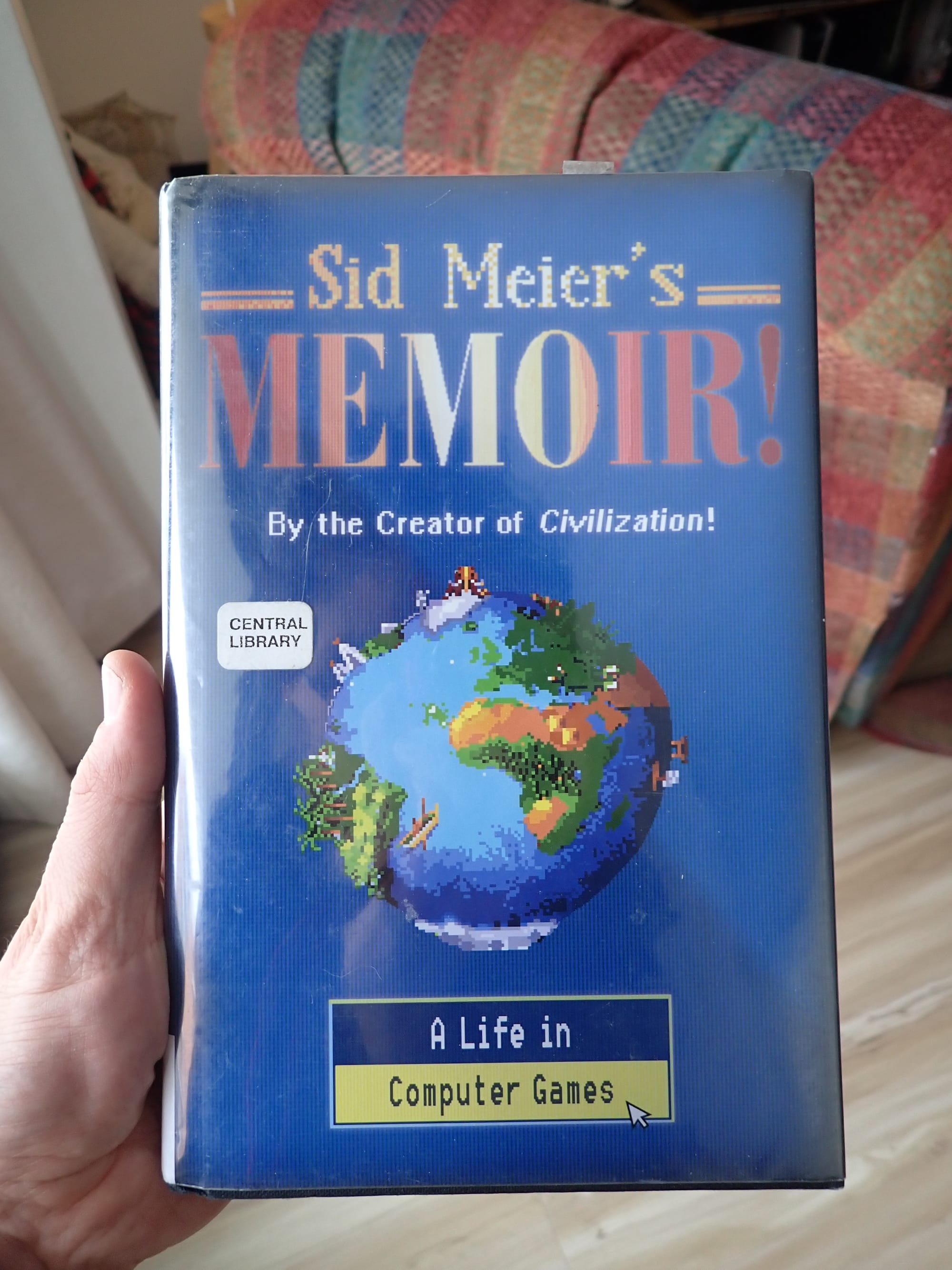
Sid Meier's Memoir!: A Life in Computer Games by Sid Meier (Book)
My best friend in grade four let me borrow Sid Meier's Civilization III in 2004. This singular, and otherwise innocuous, decision radically shaped my life. It unleashed a lifelong passion for the humanities, focused my academic curiousity, and made me fall in love with video games. It is also the reason that I continue to torture my fellow loved ones and coworkers with stunned headline-readings and belligerent political rants. For this of all, you can direct your gratitude to Cole. But likewise, responsibility should be shared with the chief architect of the Civilization franchise himself: Sid Meier.
And he's an interesting fella. Not so much in his refreshingly understated personality, but in regards to his pivotal role during the development of key video game genres during the early years of personal computers. Much of the book is geared towards following his life chronologically (with brief flashbacks) as he developed and directed video games, at both MicroProse and Firaxis respectively. Though the earlier chapters were less engaging, simply due to my lack of interest in flight simulators and railroad tycoons, I did respect how important these years were for defining the artform today. That being said, once Sid delved into the inception and reimagining of the Civilization series, I was more captivated – understandably. But still, the best parts of reading his memoir are found in his self-reflection on game design principles and the decisions that defined the nascent 4X strategy genre. These sections shine due to Sid's humility. A telling example was his initial skepticism regarding video game mods and how they would impact the industry, but after observing how players engaged with Civilization II, he came to a conclusion that I find quite beautiful, so I will leave you with this:
"Just like a fantasy can awaken you to new possibilities in the real world, lettings the fans play in the sandbox with us only brought them closer to the universe we had created, the one that had made their fantasy possible."
"A designer who's only in games will find it very hard to bring anything original to the table, and I'm sure this is true in other fields, too. Whatever it is you want to be good at, you have to make sure you continue to read, and learn, and seek joy elsewhere, because you never know where inspiration will strike."
- Sid Meier in Sid Meier's Memoir!: A Life in Computer Games
The Stanley Parable: Ultra Deluxe (Video Game)
Initially released in 2013, The Stanley Parable received critical acclaim and I frankly missed the entire hype of this instant-classic at the time. With the release of The Stanley Parable: Ultra Deluxe a few years ago, I stumbled upon it on the PlayStation Plus catalogue and gave it a try. At its core, it is a brief narrative adventure that shines brighter with repeated playthroughs and attention to the Narrator's hilarious philosophical musings. In the interplay between the player's actions and the narration, there is this wonderful back-and-forth repertoire where the Narrator provides so much commentary on how the Player is engaging with the world (often deriding how the player disrupts the story itself). For instance, what happens when you overstay your welcome exploring an empty broom closet? Well expect prolonged and increasingly belligerent rude comments. Going further, there is a larger meta commentary that exists with the release of the latest edition of the game. It seeks to reflect on video games as an artform and their existence as a consumer product. The Narrator is constantly lamenting the video game industry's excessive lust for greater profits, the chasm between the game's creator and online reviews from consumers, and the nostalgic longing of past digital content. In this regard, to discuss The Stanley Parable: Ultra Deluxe is to look in a mirror as a consumer of video games as a market good. The Narrator is clear on his views on the matter in one of the game's forty-something odd endings, with a manic rant delivered on how online reviews of video games undermine the creativity within the artform itself (the entire long rant is quoted below).
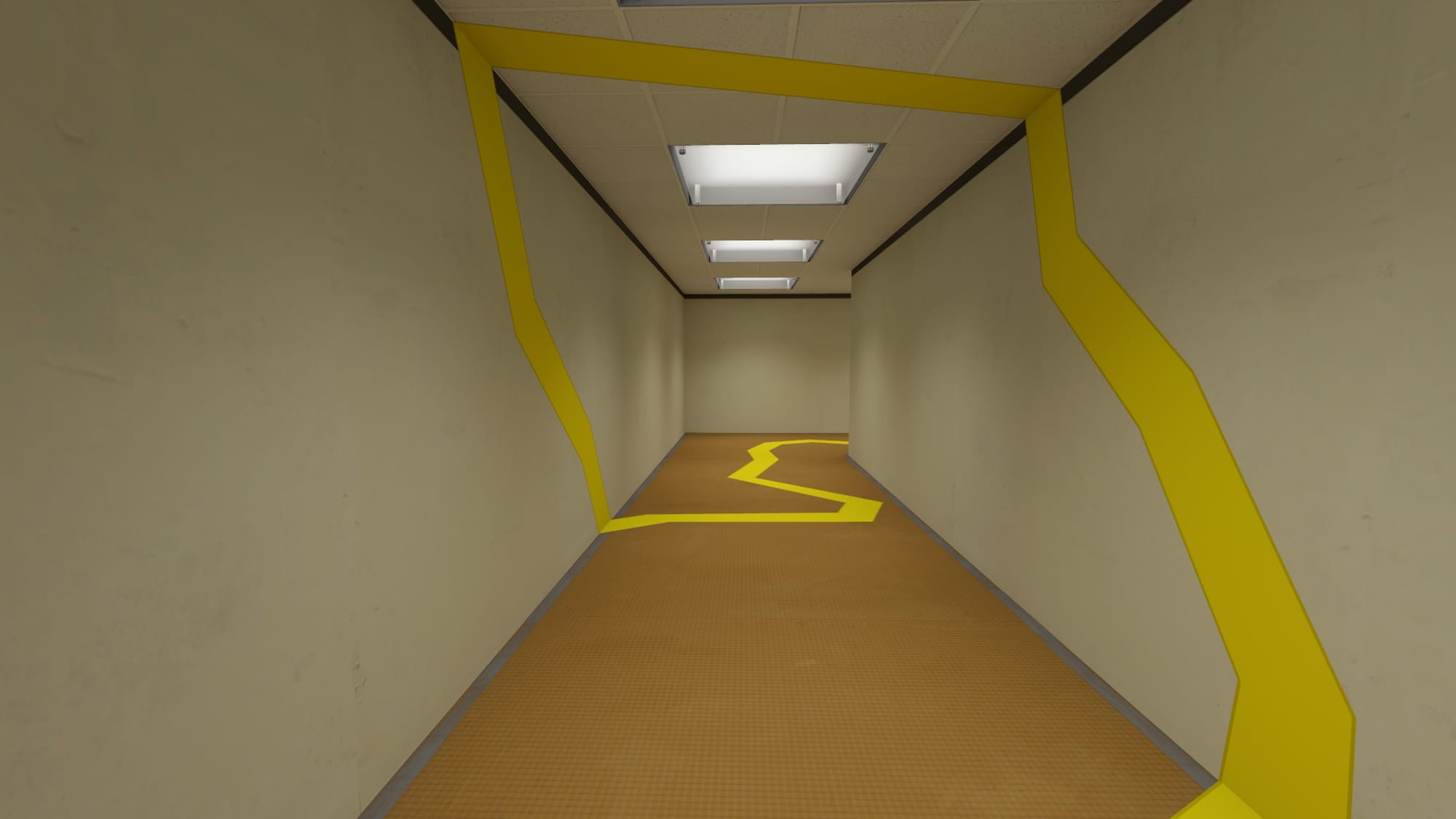
"But they didn't understand that the game was never meant to be funny, it was meant to have a point. It was meant to speak to the human condition. 'But where are the jokes? Where are the jokes?' they bemoaned. They screamed, they gnashed their teeth and said 'entertain us'. It wasn't enough, they had to leave their pathetic little thumbs down review. But then 'He's talking too much' they said 'First, he didn't entertain us and now he won't shut up!' It's the inconsistency, it's the lack of accountability! It's the unwillingness to examine with an uncompromising heart the words that they are speaking into the world. As though there were no consequences for a lack of cohesion in one's assessment of others! But of course, anyone can leave a review. So here's what we get! We get these demands that seek everything and are accountable to nothing. We get a world where someone will say 'Oh, there should be a skip button! You should be able to freeze Stanley in place while the narrator sits there forever and ever! We want all of this in the new Stanley Parable, we demand it!' And then, because it was said, because it was spoken, now it simply has to happen! The most immediate desires, every single thing demanded by every person at every moment in time - if someone wants it then it's a crime not to bring it into being? Have we been given to indulging every fleeting whim for no reason other than to do so? Yes, yes! It seems that this is now the world we live in! It seems that we are a people living in such bleakness and discomfort with ourselves that our entertainment is now our lives! It has come to represent us! It absolutely must speak to who we are as people!"
- Narrator in The Stanley Parable: Ultra Deluxe