A Summer Guide to the Espresso Tonic

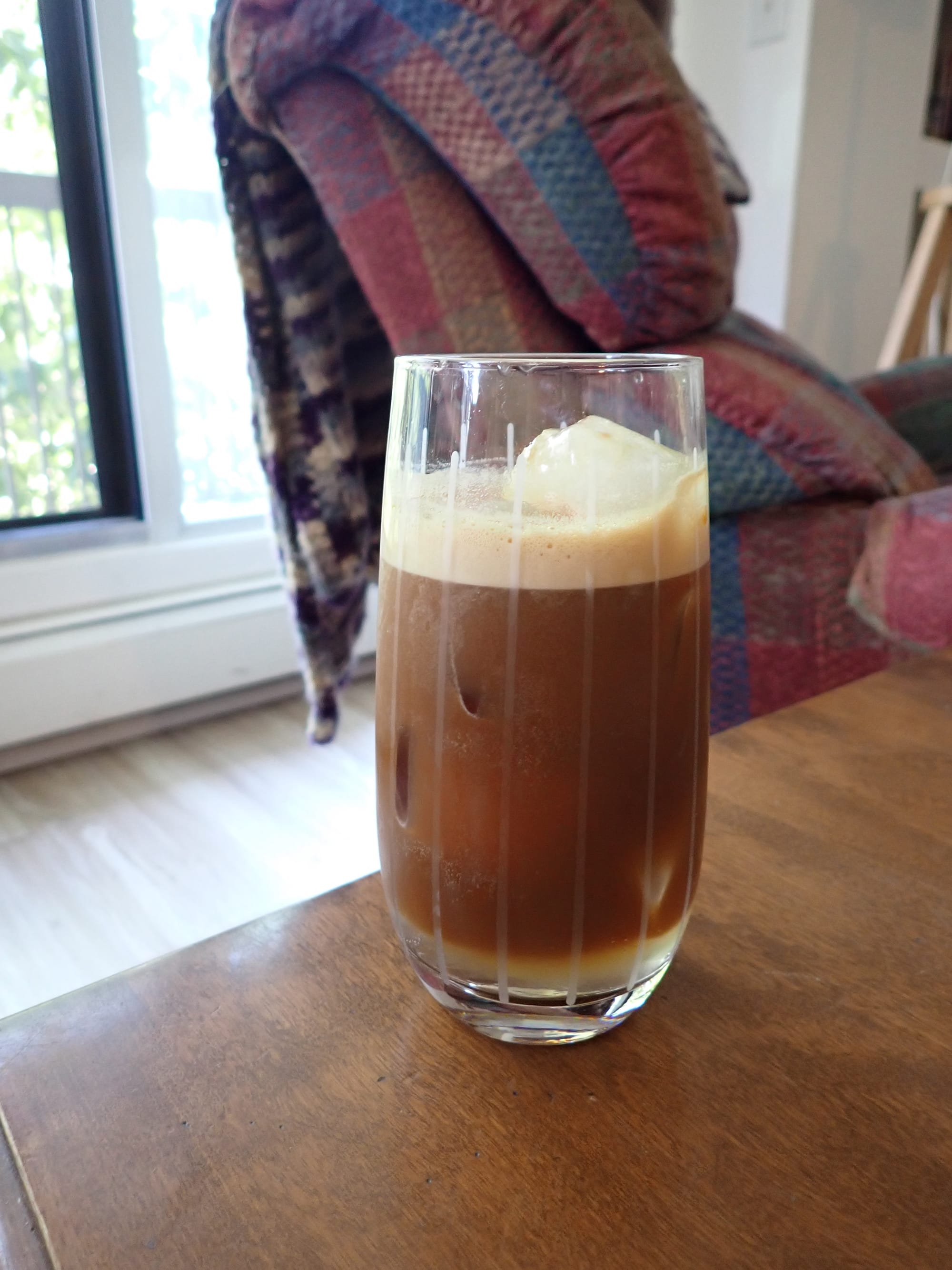
With our summer in full-swing, I figured that this would be an exceptionally timely moment to introduce you to the refreshing, bright, and oddly delightful espresso tonic. The oddness, which might raise eyebrows, stems from the beverages' conflicting tastes of both bitter and sweet. I can forgive anyone for their skepticism, but if you'll follow along with me and this summer guide, you will discover a truly stunning drink.
Espresso tonics emerged out of Sweden in 2007, but eventually (as is per the process of cultural globalization) it started appearing on the menus of third-wave cafes within Canadian gentrified urban neighbourhoods everywhere. We are all the better for it (the espresso tonics that is – not the gentrification). You can find espresso tonics at Butter Block & Co, Qlab, Analog Coffee, or Phil & Sebastian. I encourage you to give them a try. As for making them yourself at home, I am going to start by explaining the basics of the espresso-based beverage, then I will provide some interesting ways to elevate it to your own liking.
The Fundamentals of an Espresso Tonic
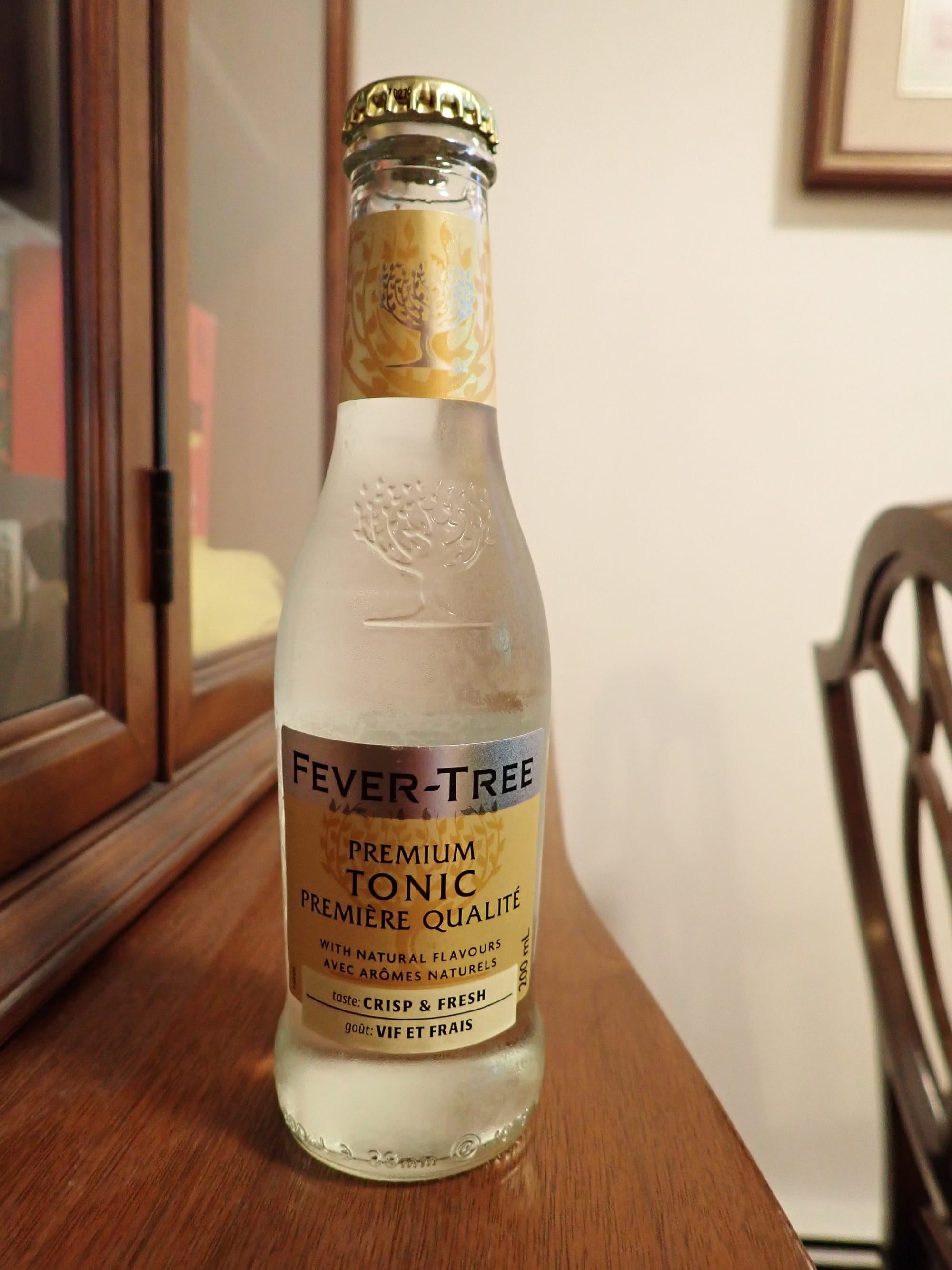
As far as basic ingredients go, it is simply: tonic water (anything will do, but I prefer quality brands like Fevre Tree), espresso (light roast is preferable), and ice. Put together, you have the basis for an espresso tonic and we are going to keep this very simple. Because unlike a paywalled and overly-wordy sentimental food blog. I want to save your sanity so that you have the willpower to try this drink, so without further ado.
- Slowly pour your tonic water into a glass of ice (pouring slowly will minimize carbonation). Ensure you leave enough space for the espresso and any likely carbonation that occurs.
- Pull your shot of espresso from your espresso machine into a separate and small cup of ice (this will cool your espresso down before step 3). As a note: If you do not have an espresso machine, you could experiment with filter coffee, but it will not have that signature crema that espresso is known for.
- Gently pour the espresso shot over a spoon and into the drink into the drink. The gentleness of the pour and the spoon buffering the pour itself will avoid the mixture of espresso and tonic water resulting in too much carbonation.
Okay, now try the basic version of it and recognize that we are just getting started.
Adding Your Own Zhuzh
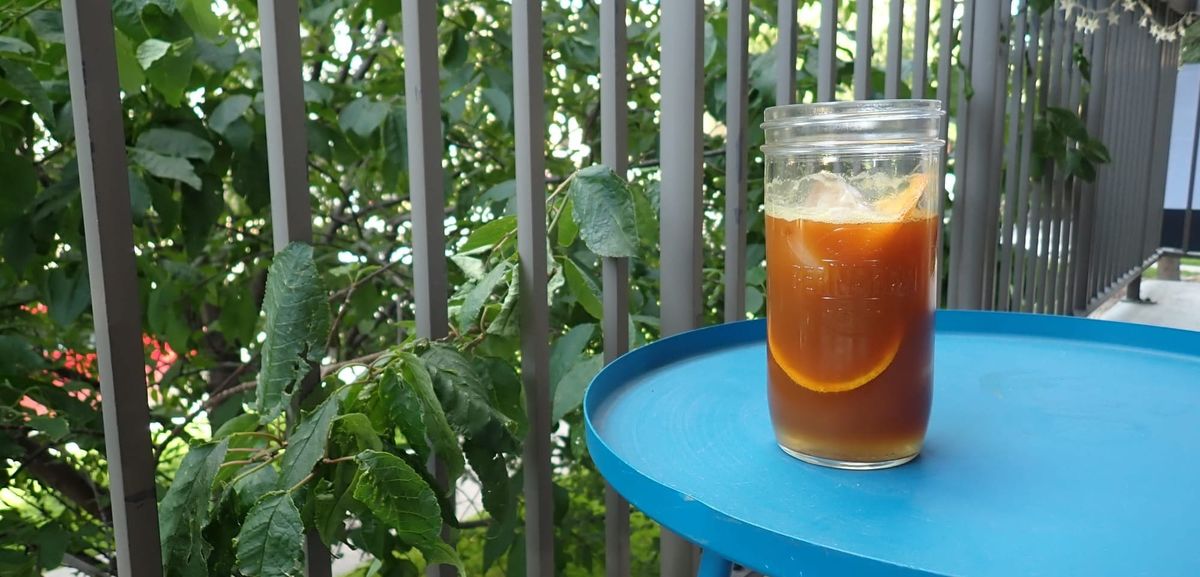
Now with the basics under control, it has come time to elevate our espresso tonic and this is where you can use your creativity! Whether it is syrups, bitters, juices, fruits, or even herbs, there is a lot that can be added. For myself, I am particularly fond of embracing the drink's refreshment and find citrus flavour notes particularly delightful. For me, this means adding in a homemade pineapple syrup, orange bitters, or orange slices as garnish – with the latter being my most common addition. Beyond citrus, Butter Block & Co recently started using pomegranate juice for a seasonal variant of the beverage and I have also read of Redditors adding mango juice. Just as you might with dirty sodas or cocktails, modularity and invention is key to having fun!
I release you from your readings. Go now and embrace our warm summer days! And whilst you are galivanting along sun-drenched city streets, strolling the Bow River Pathway, or relaxing in your backyard; remember - the espresso tonic exists and could make that heat much, much more bearable.
If you would like an excellent video of the creation process, I have shared a video below (along with a few extra photos).