Crossword Puzzles, Patrick's Parabox, and A Journey into Consciousness: June 2026 - Monthly Roundup

Whereas Weeknotes provide a brief summary of the weeks' affairs and a selection of relevant photos, Monthly Roundups act as a retrospective on video games, albums, books, movies, essays, and television programs that defined my month. Accompanied below are my thoughts on them, including how I engaged with them, but also what I consider praiseworthy and subject to fair critique.
Across the Universe: The Past, Present, and Future of the Crossword Puzzle by Natan Last
From reading about iconic tomatoes to the lovely queer activity of park cruising, I have always had a soft spot for microhistory books that defiantly suggest that an obscure topic does indeed merit a published book on the matter. In no way have I ever considered crossword puzzles to be worthy of such a literary delve, but I have been made a fool. Natan Last proved in Across the Universe: The Past, Present, and Future of the Crossword Puzzle, that crossword puzzles have a stunning and colourful history. The format for the book is divided into three sections: (1) the intersection of data and crosswords, (2) crosswords as progress, and (3) crossword puzzles as an artform. Each catalogue, in no chronological order, the task of cruciverbalists in constructing crossword puzzles and leisurely pursuit of solving them. In each case, the ways that folks engage with crossword puzzles have shifted over the decades.
Along the way, we meet pioneering figures and their stories, including Arthur Wynne's invention of the modern crossword puzzle in 1913, Simon & Schuster publishing of the first crossword puzzle book in 1924, and titular reign of Will Shortz over New York Times puzzles. The book also wades into computerization and artificial intelligence's role in crossword puzzles as a medium by discussing Eric Albert's development of computer software to generate crossword puzzles in the late 80s, as well as the drama between Matt Ginsberg (and his own AI model: Dr.Fill) and exceptionally-talented human crossword solvers – mirroring the techno-tensions seen for chess in 1997 between Deep Blue and Garry Kasparov. The book also chronicles the arrival of crosswords mania in the 20s and the pathologizing allegations that accompanied the leisure activity. Many cultural critics worried about "crossworditis" and viewed it as emblematic of the unproductive postwar cultural excess of the era. But for many of the solvers, crossword puzzles provided an opportunity to enjoy a newfound leisure time. In this regard, the book draws comparisons between the crossword mania of a century ago and the recent surge of word games during the idle moments of the COVID-19 pandemic. Cruciverbalists, from the traditional New York Times to independent puzzle blogs, have seen a wellspring of newfound appreciation for their craft.
Yet, with the recent ascendency of word games, issues that have always been present with crossword puzzles reemerge. For instance, just as there is with pub trivia or Jeopardy, crossword puzzles are challenged by gatekeeping of cultural relevancy. When the allegedly highbrow editors of these puzzles, often from major newspapers like The New York Times and Washington Post, determine the included answers and clues, the culture is being mirrored back to the masses in a skewed version of itself. If CLEAN COAL is perfectly acceptable for the Sunday crossword puzzle, but GAY EROTICA is not, perhaps something is afoot? It is here, that like with any cultural medium, the contents contained within a crossword puzzle have a larger role to play in shaping mass culture overall. Last explores this through a variety of perspectives (non-English speakers, LGBTQ+ folks, and women to name a few), but also demonstrates that there a literary, performative, and aesthetic elements tied to crossword puzzles – both historically and contemporarily. It seemed, that the further I read, the more encompassing crossword puzzles became and the universality was made more apparent. By the time I turned the last page, I was already convinced and bought a crossword puzzle book published by L.A. Times. What a wonderful feat that Natan Last accomplished!
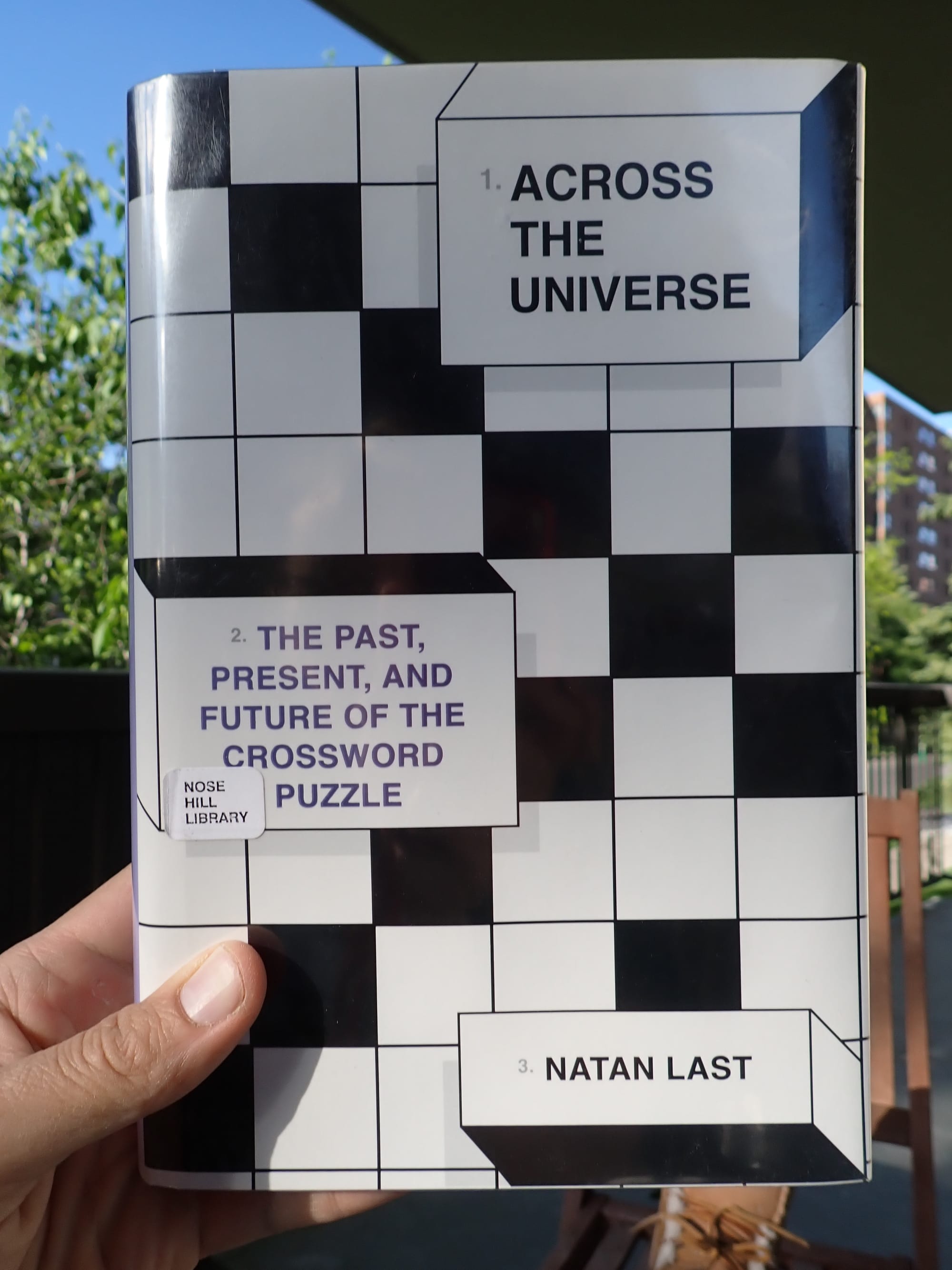
"But there is something beautiful about the puzzle itself, even outside the experience of playing it - the collage of words from manifold registers suddenly in the same frame, the cleverness of an inventive theme, the elegance of a devious clue."
- Natan Last in Across the Universe: The Past, Present, and Future of the Crossword Puzzle
Marathon - Season 2: Nightfall (Game - Update)
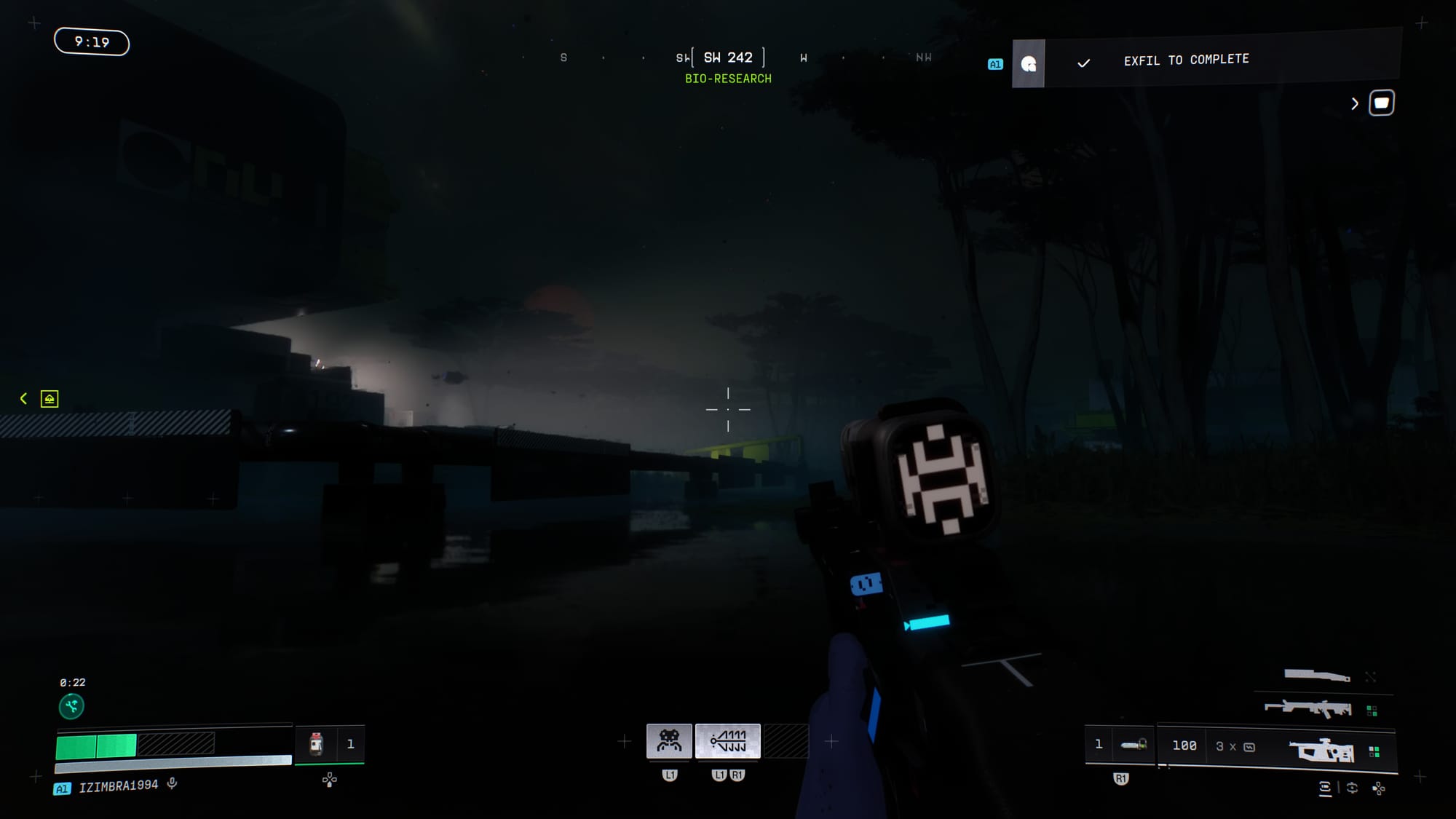
In the final night of Season 1, after attempting to claw my way through this brutal labyrinthic challenge, I finally exfilled from Cryo Archive for the first time and I had a bunch of exceptional loot to show for it. The following day, in quite a Sisyphean fashion, all my progress was wiped and next season begun! In Season 2: Nightfall, Bungie has introduced a feast of new content for players to enjoy. There is a variant of Dire Marsh called Night Marsh that plunges the swampy expanses of biotech facilities and high-tech greenhouses into darkness. With that, players have a new arsenal of tools at their disposal to support their navigation of the map. From flashlights to flares, there is plenty to provide illumination, with a personal favourite addition being the LiDAR scopes. But cozying up with the light opens yourself up for being spotted – another risk to be balanced appropriately. Ultimately, this amplifies the tension and leaves players sulking around in the dark, either avoiding ambushing or planning one. Of course, beyond the darkness and the rebalancing of the standard Dire Marsh map, includes a new area for high-quality loot that will create a focus point for the map's PVP action. Then there is the new runner shell, Sentinel, which is effectively a defense class that specializes in snares and defense systems. Admittedly, this runner shell currently lacks a general utility that other runner shells have, but the core design principle is solid. After a couple dozen hours with the update, I can say that most of the changes have been positive and expanded the game with the CRADLE system being a prime example, though I do believe more general balancing is needed. In general, it is a good update, but I do not think it will alter too many minds on whether to commit time to this live-service game.
"You're dogshit!"
- Someone after our team was wiped.
A World Appears: A Journey into Consciousness by Michael Pollan (Book)
To explore the mystery of consciousness is a humbling pursuit. And in Michael Pollan's recent book, he honours that experience by casting away anthropocentic arrogance and gives space to the reader for a little interdisciplinary meandering. Oh the places the reader will go! From the cheeky plant neurobiologists, to the tinkerers working on infusing machine intelligence with feelings, to stream-of-consciousness novelists, Pollan engages with David Chalmers' hard problem of consciousness. At its core, the hard problem is the how and why behind subjective experience – which is made exceptionally challenging given the difficulties in understanding (1) non-human subjective experiences and (2) the subjective experiences of humans. If this sounds complex, it is. The strength of this book, however, is Michael Pollan's accessible and polished writing about an otherwise convoluted topic. The chapters have flow seamlessly into each other with nothing feeling like bloat. As the book begins to wrap-up, it becomes clear that Michael Pollan will provide no firm answer to the hard problem of consciousness and we are left with only more questions. This was the only appropriate ending in my mind. Take that foolhardy human hubris!
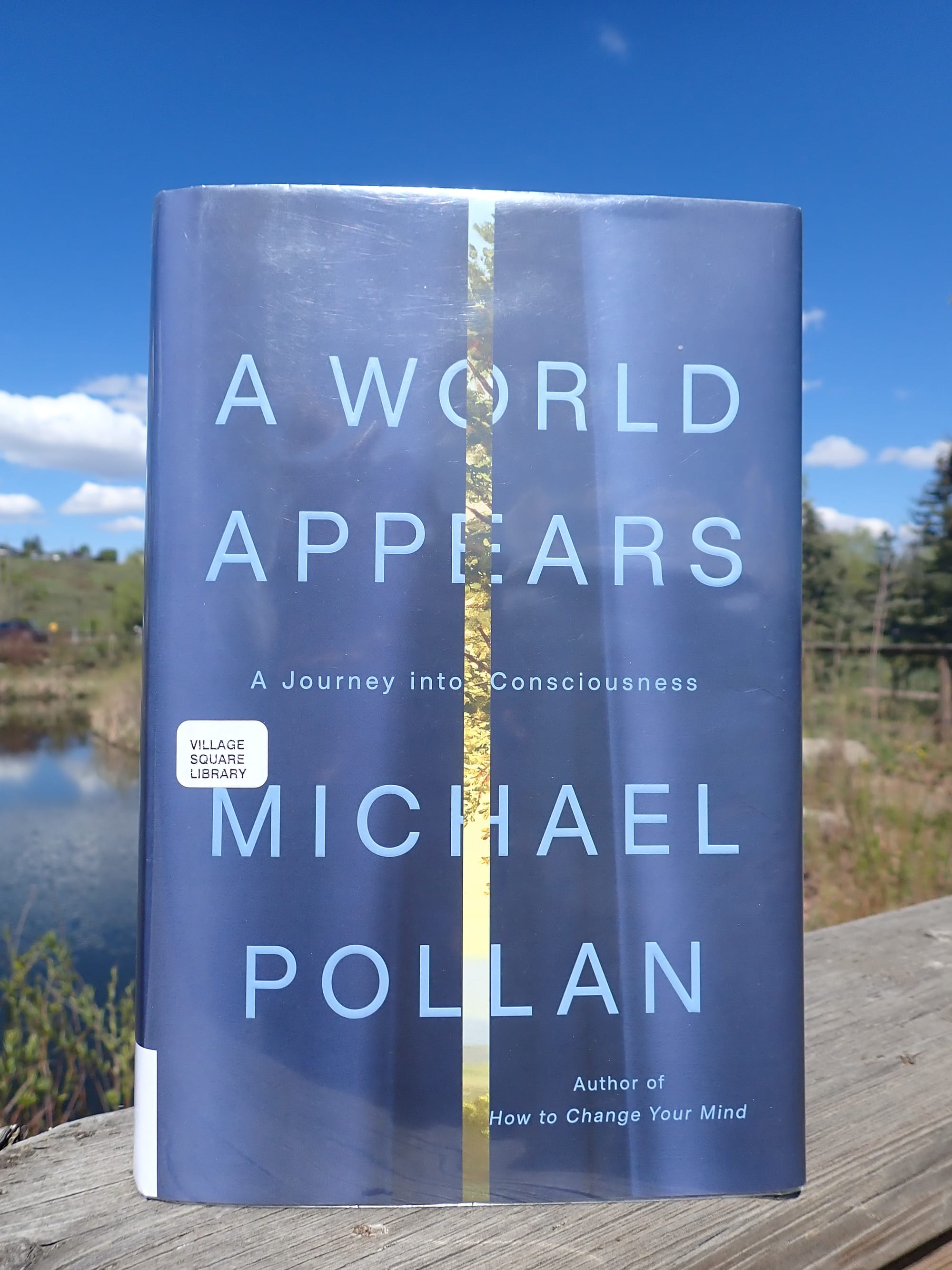
"Because consciousness is the only means we have of knowing anything we can’t step outside it and take up a god-like perspective from which to render a final judgement. So where does that leave us? Exactly where we already were, wandering in the exitless labyrinth of consciousness."
- Michael Pollan in A World Appears: A Journey into Consciousness
Patrick's Paradox (Game)
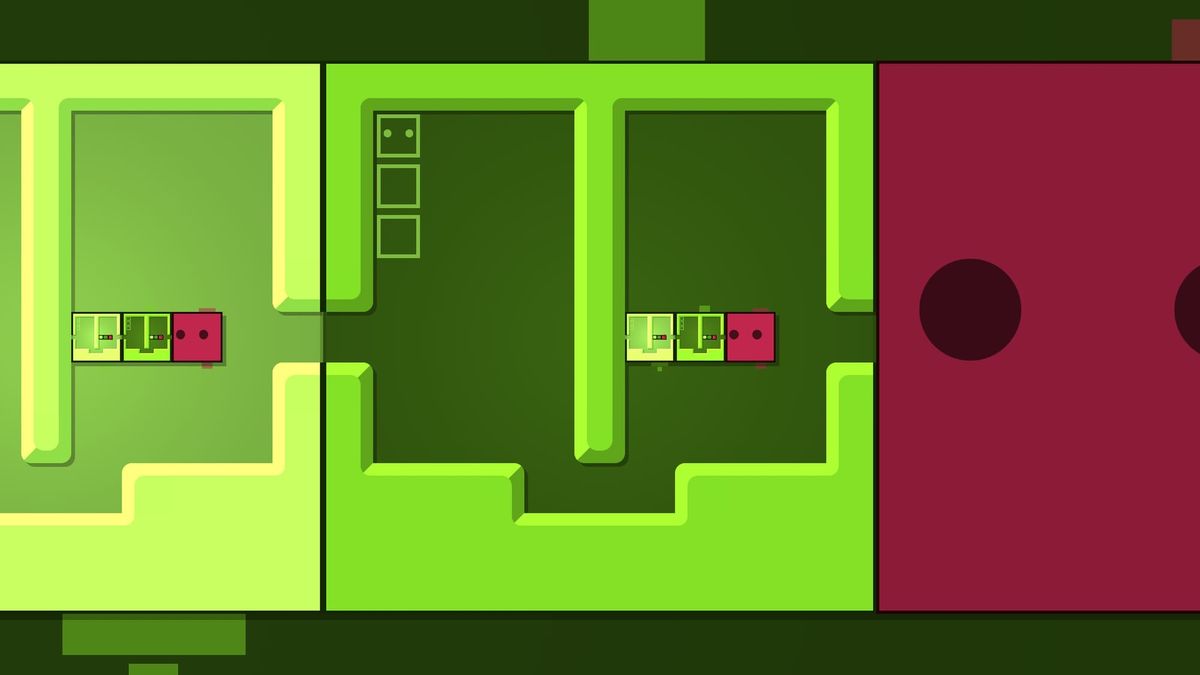
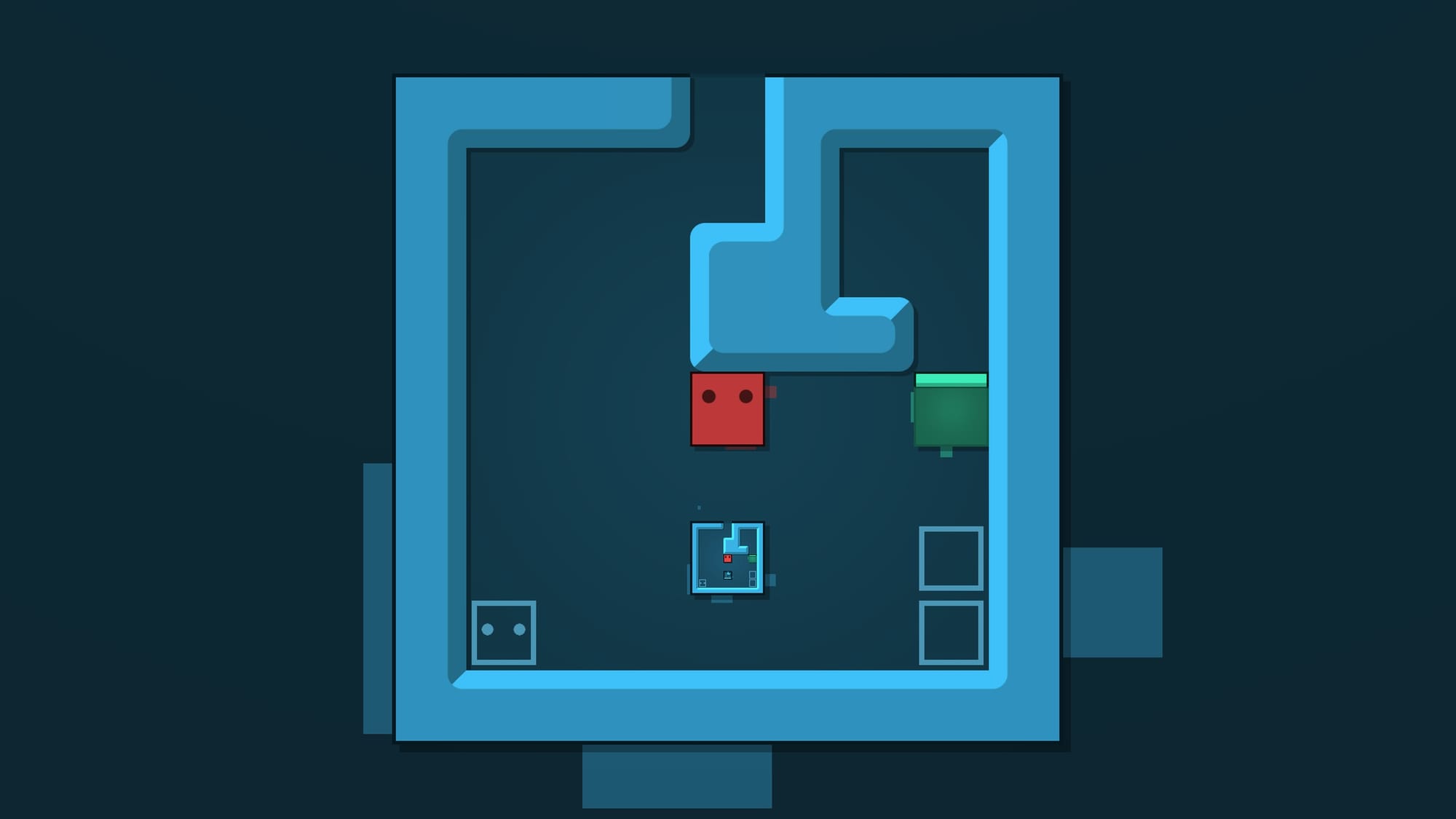
Created by the solo developer Patrick Traynor, the aptly named Patrick's Parabox is a recursive puzzler. The primary strength of this puzzle game is the sheer mind-blowing nature of the puzzles to work through. Though it begins with basic Sokoban-style block movement, it quickly, but fairly amplifies in difficulty with the inclusion of recursive gameplay systems that allow the boxes to include boxes within themselves. If this sounds convoluted, it really is (the trailer demonstrates this well). Though I have not finished it, I have been enjoying coming back to it throughout the month to stretch my mind with these weird puzzles.
Sokobond (Game)
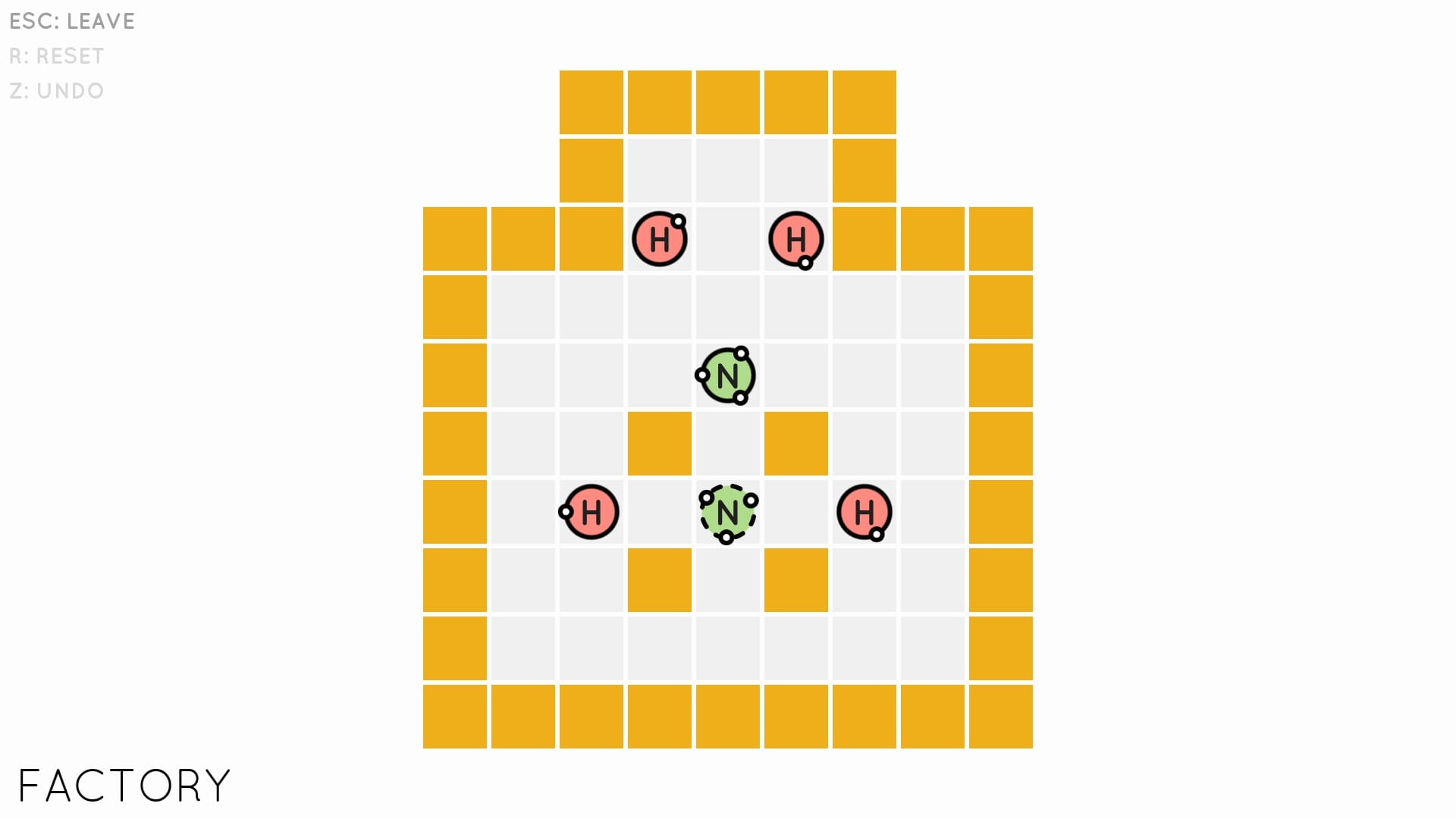
This Sokoban-style puzzler is based on chemical bonds and is perfectly serviceably for a distraction, though I would not expect to be enthralled. While no knowledge of chemistry is needed to engage with these puzzles, but I am certain additional enjoyment can be found if someone does appreciate the concept of unifying these two disparate ideas. For myself, the chemistry hook does nothing for me and I am left with a moderately enjoyable game. You are also able to get this game on mobile devices, so if you are interested, it is readily available!
Links, Longreads, and Video Essays
- CBC's Jason Markusoff explores the various political groups at the heart of the current federalist/separatist divide within today's Alberta.
- AI in a Nutshell retells the story about Sam Altman's fall and rise as CEO of OpenAI and what this means for the future of AGI.