Nature Journal Entry #14: Orchid Hunting at Griffith Woods

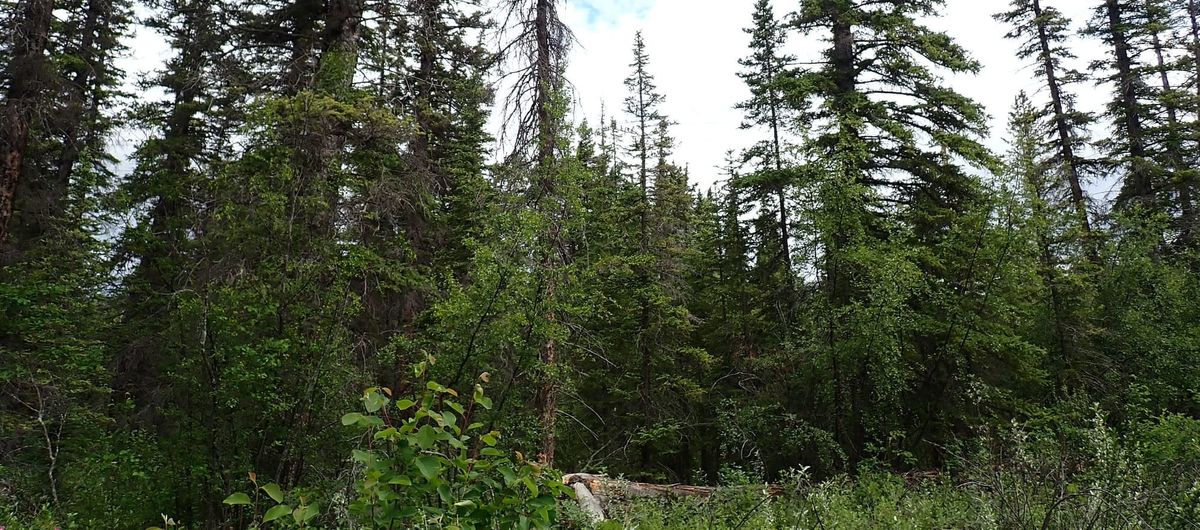
Where: Griffith Woods Park
When: June 21st 2026 (Mid-Morning to Late-Morning)
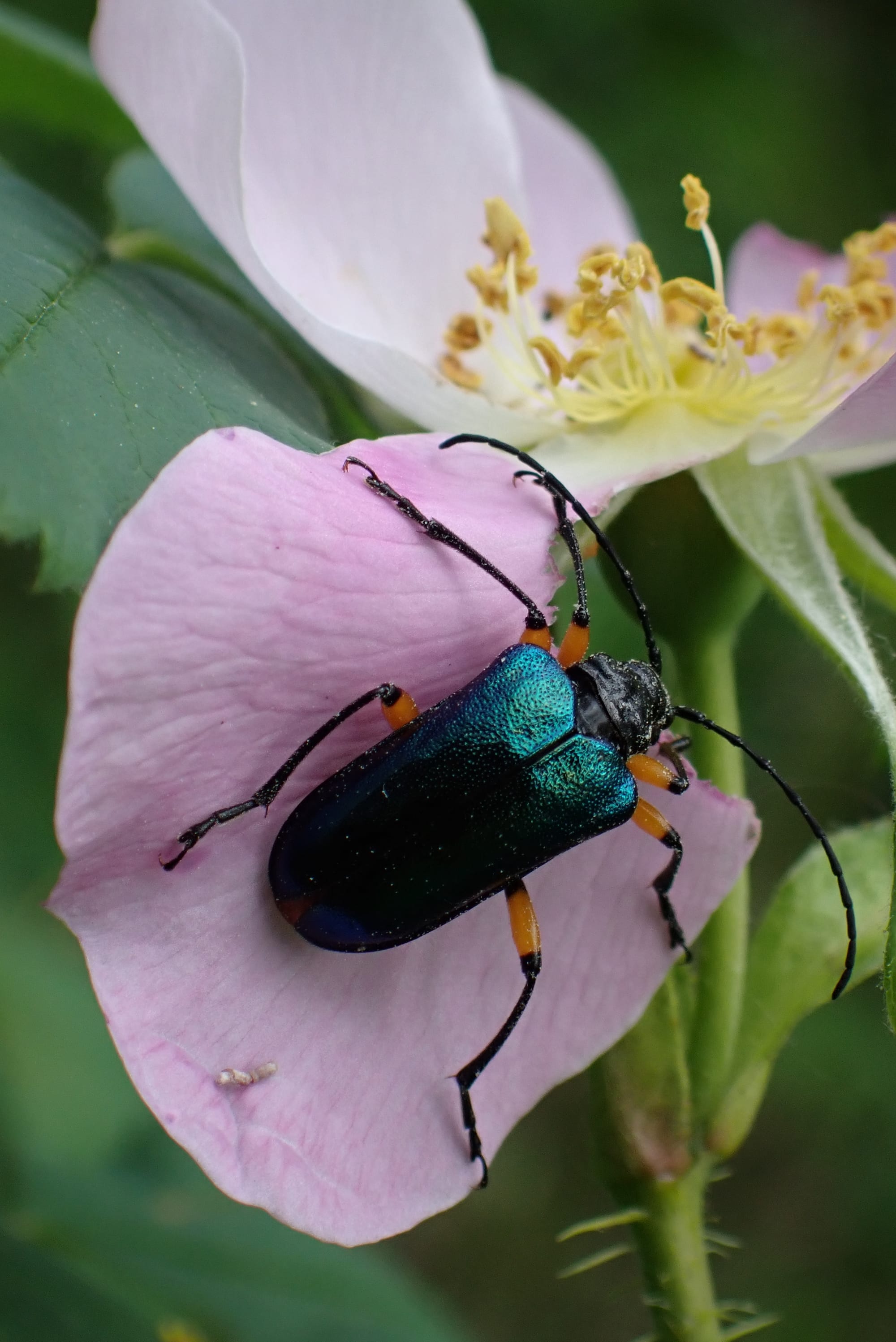
Highlight: The orchids, obviously! But also that really cool Metallic Fir Borer.
Taylor, Nyx, and I spent the first day of summer at Griffith Woods looking for orchids. Using iNaturalist, I found eight species of orchid within the park and I thought we'd use those species as a target. Any extrinsic goal of finding a specific species is an act of foolishness, and I embraced the role of a fool readily.
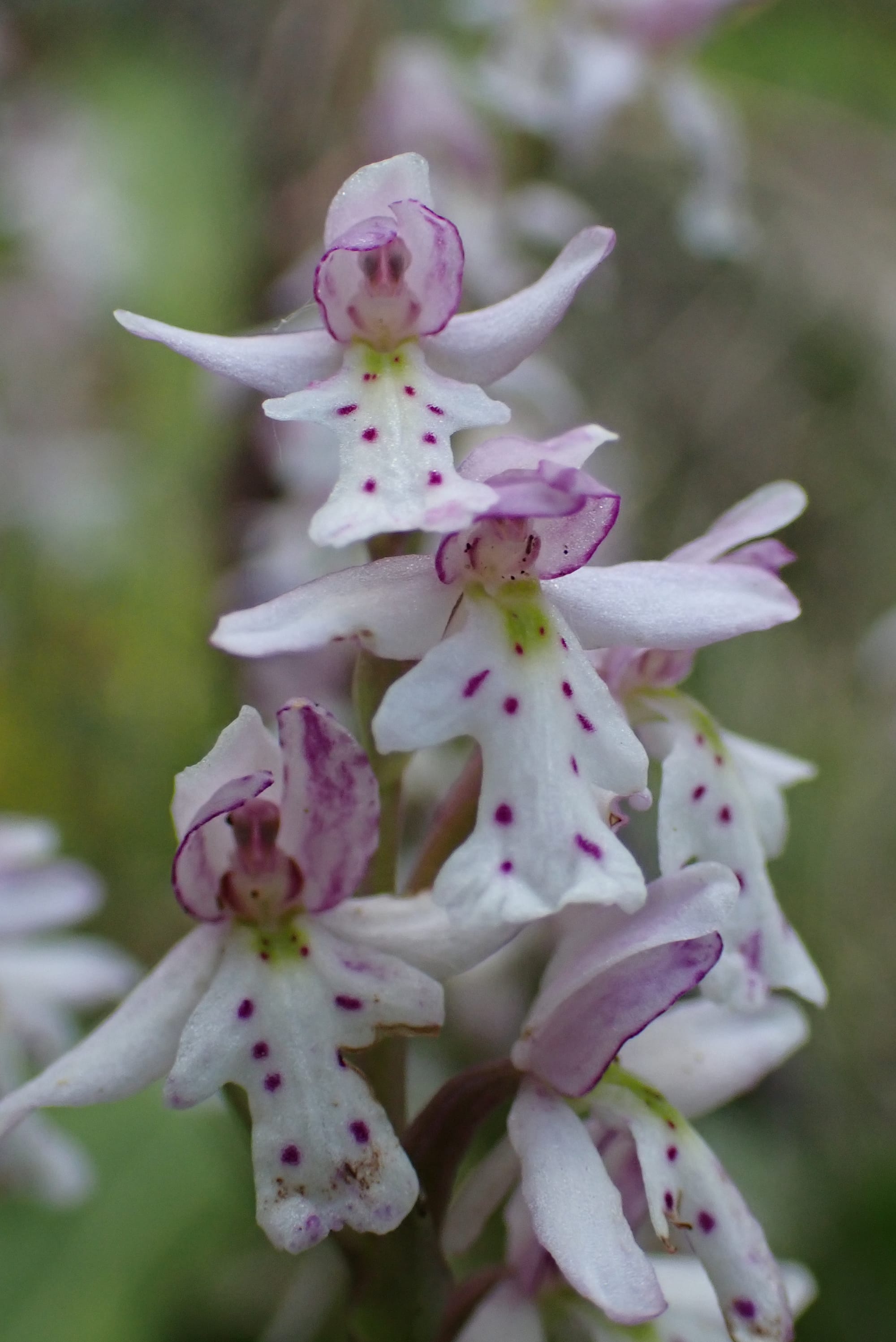
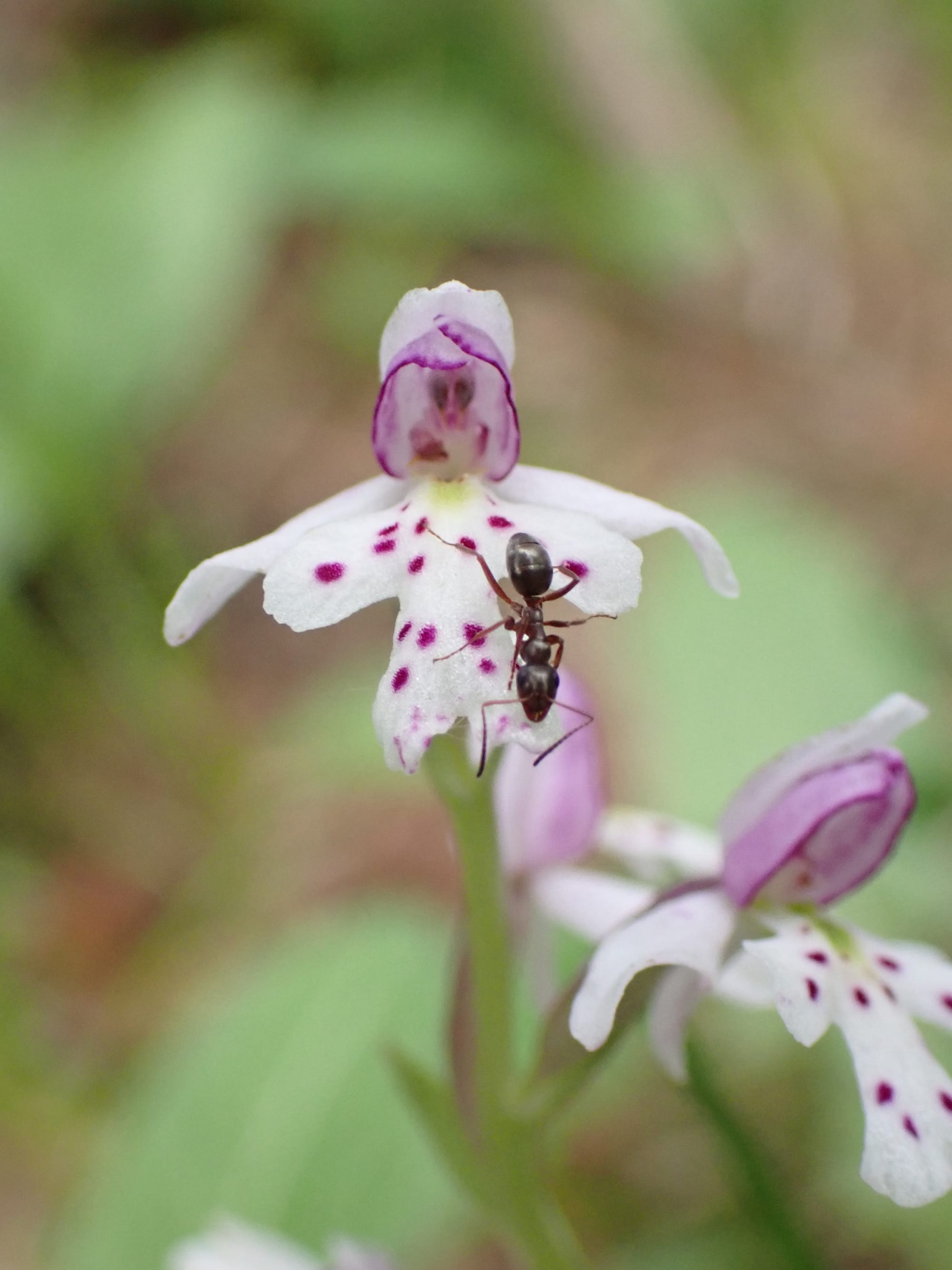
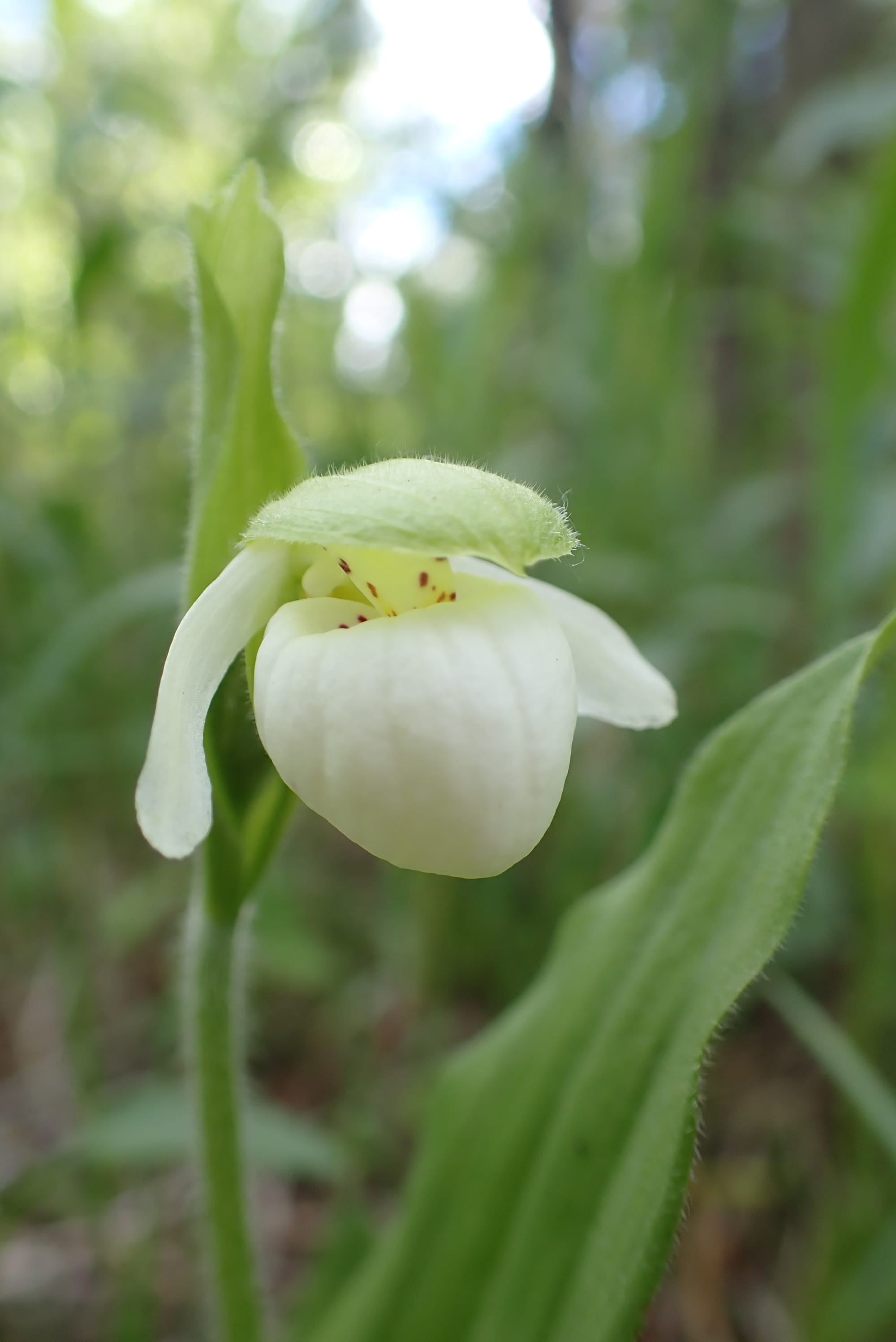
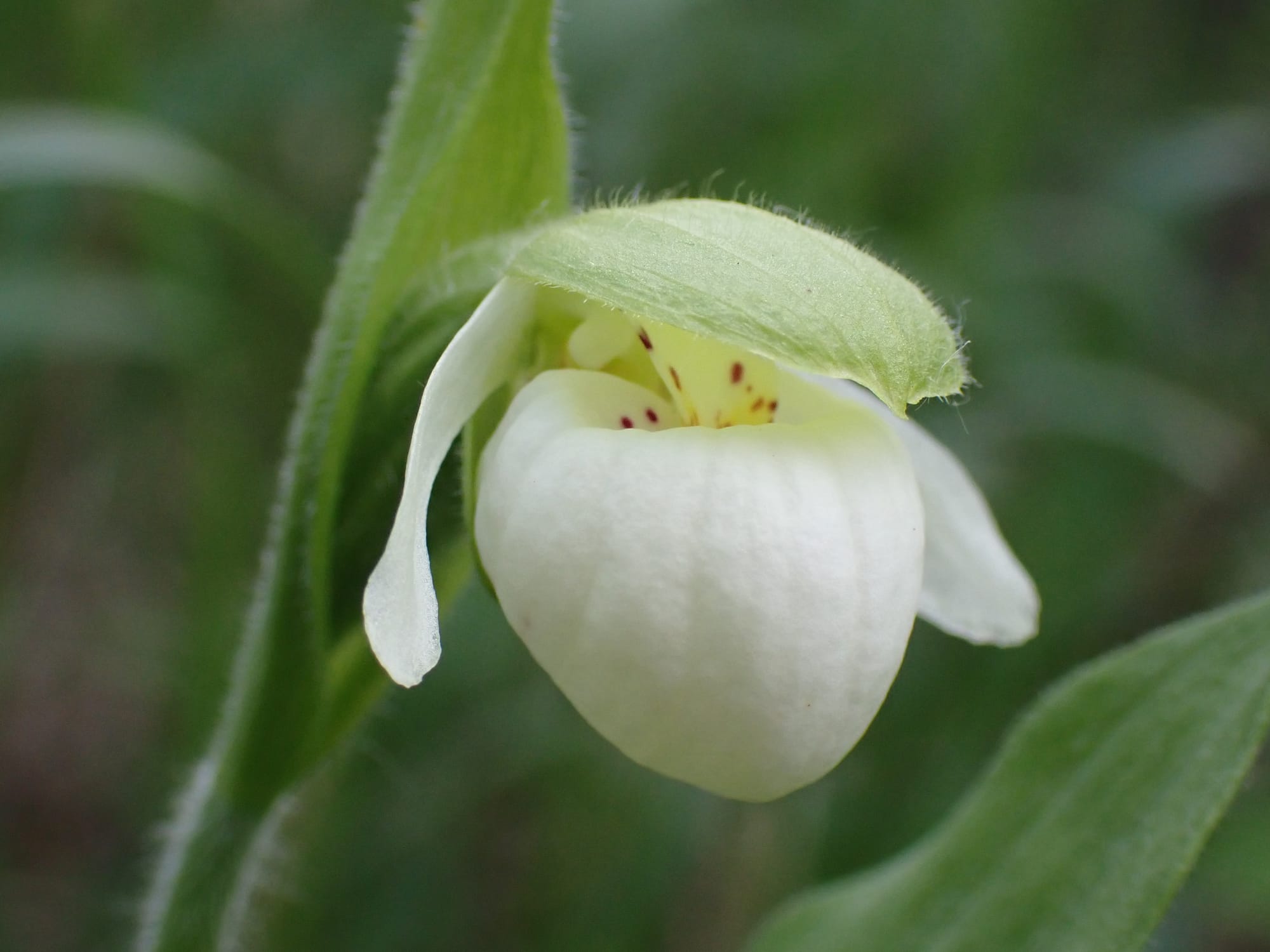
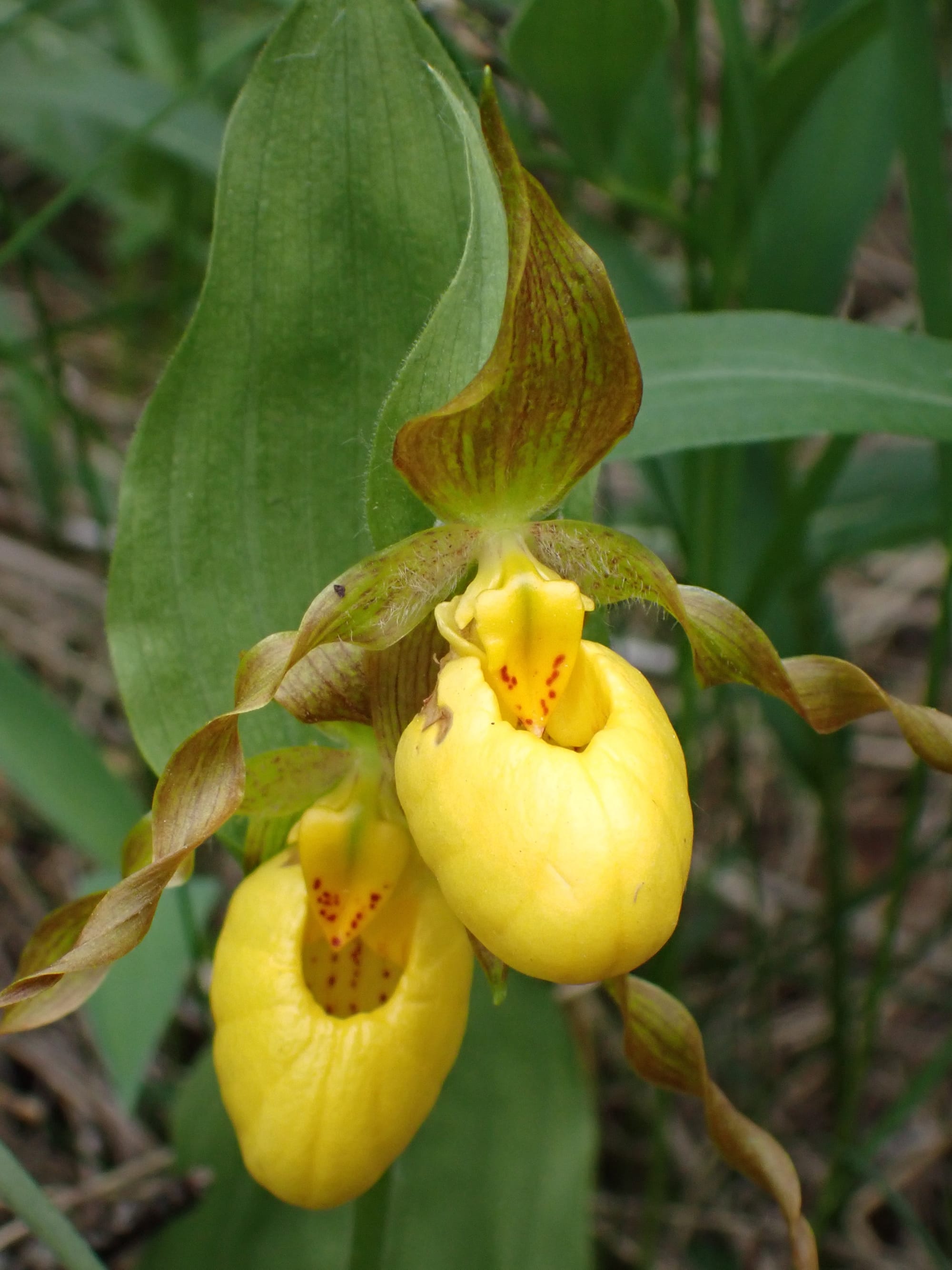
Throughout our several hours at the park, we identified three species of orchid: Small Round-leaved Orchid (Galearis rotundifolia), Sparrow's-egg Lady's Slipper (Cypripedium passerinum), and Yellow Lady's Slipper (Cypripedium parviflorum). Orchids, as a whole, are one of the largest families of angiosperms and are found on all continents (with the exception of Antarctica). The main commonality that unifies orchids is their flower structure. Like nearly all animals on our planet, orchids have a bilateral symmetry to their anatomy (which is called zygomorphic when referring to the characteristic in plants). They have very tiny seeds, a column (which effectively fused the flower's reproductive organs into a single organ – at least from my amateur understanding), and a labellum (which is a differently-shaped petal that acts as a landing pad for pollinators). All orchids found at Griffith Woods Park shared those commonalities regarding floral structure. One of the other unifying characteristics of these non-woody flowering plants is how diverse they are with highly specialized relationships formed with other plants, fungi, and pollinators. A vast majority of orchids have special relationships with fungal networks within the soil (perhaps parasitically at times), with some not even concerning themselves with with photosynthesis. Some orchids are epiphyte plants, which means that they rely on other plants to grow on (think of how mosses often grow on tree bark). And some orchids have evolved to attract very specific insect pollinators – even mimicking a potential female insect to trick a randy bee into copulating with the orchid. There is even species of orchid that spends its entire lifecycle underground. For all three of the orchids we found, they rely on both subterranean relationships with fungal networks and insect pollinators. As an additional point, they are also all very beautiful!
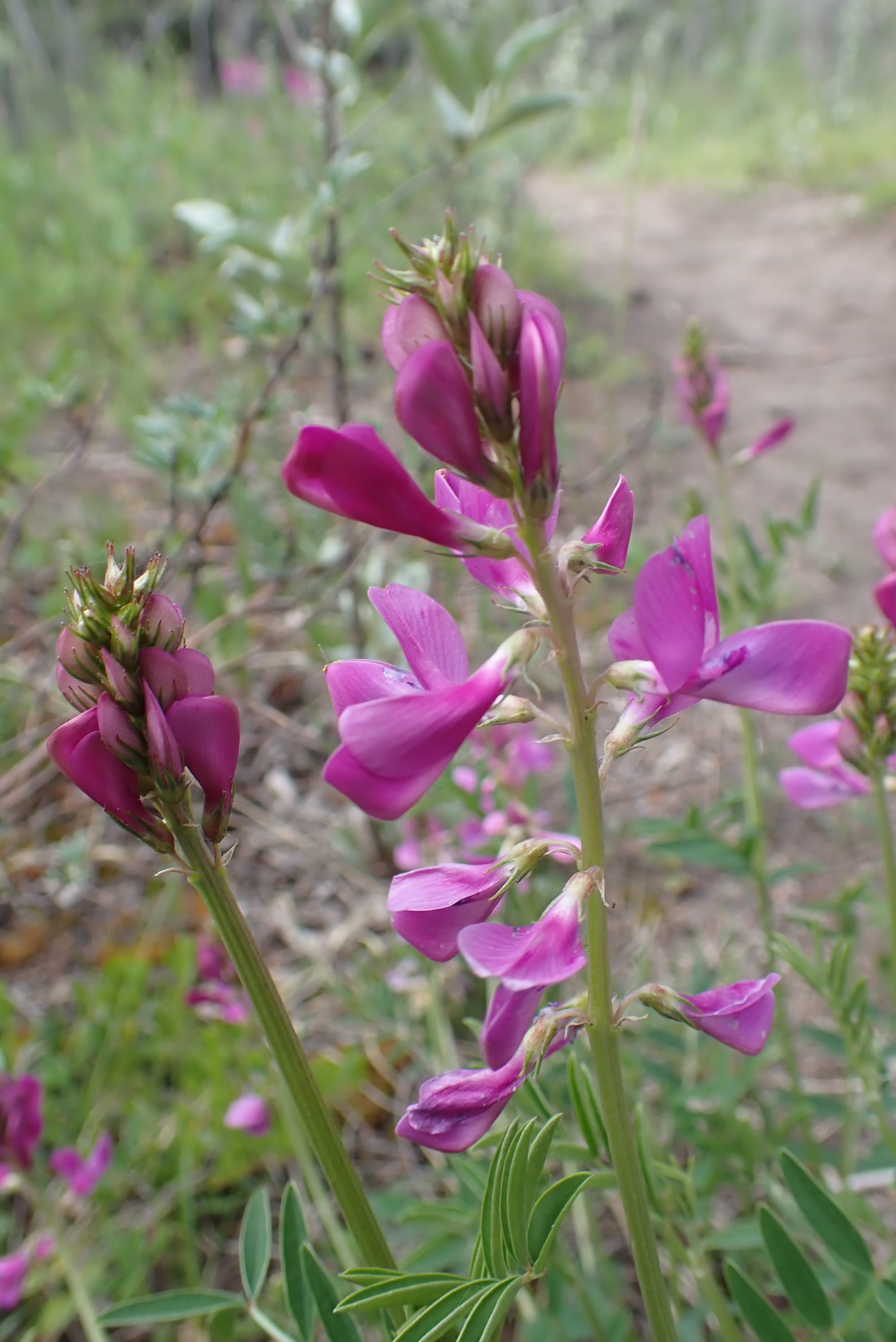
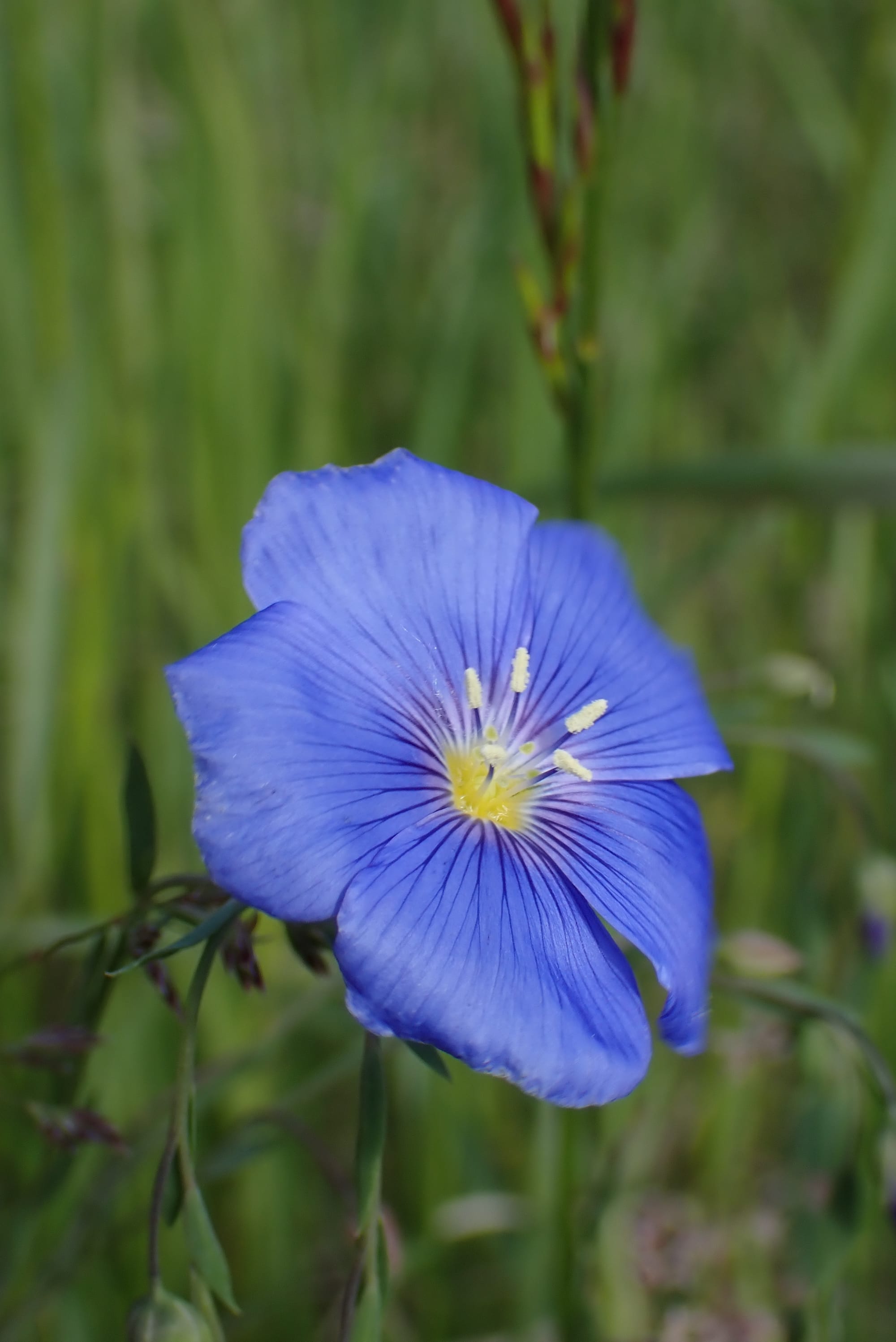
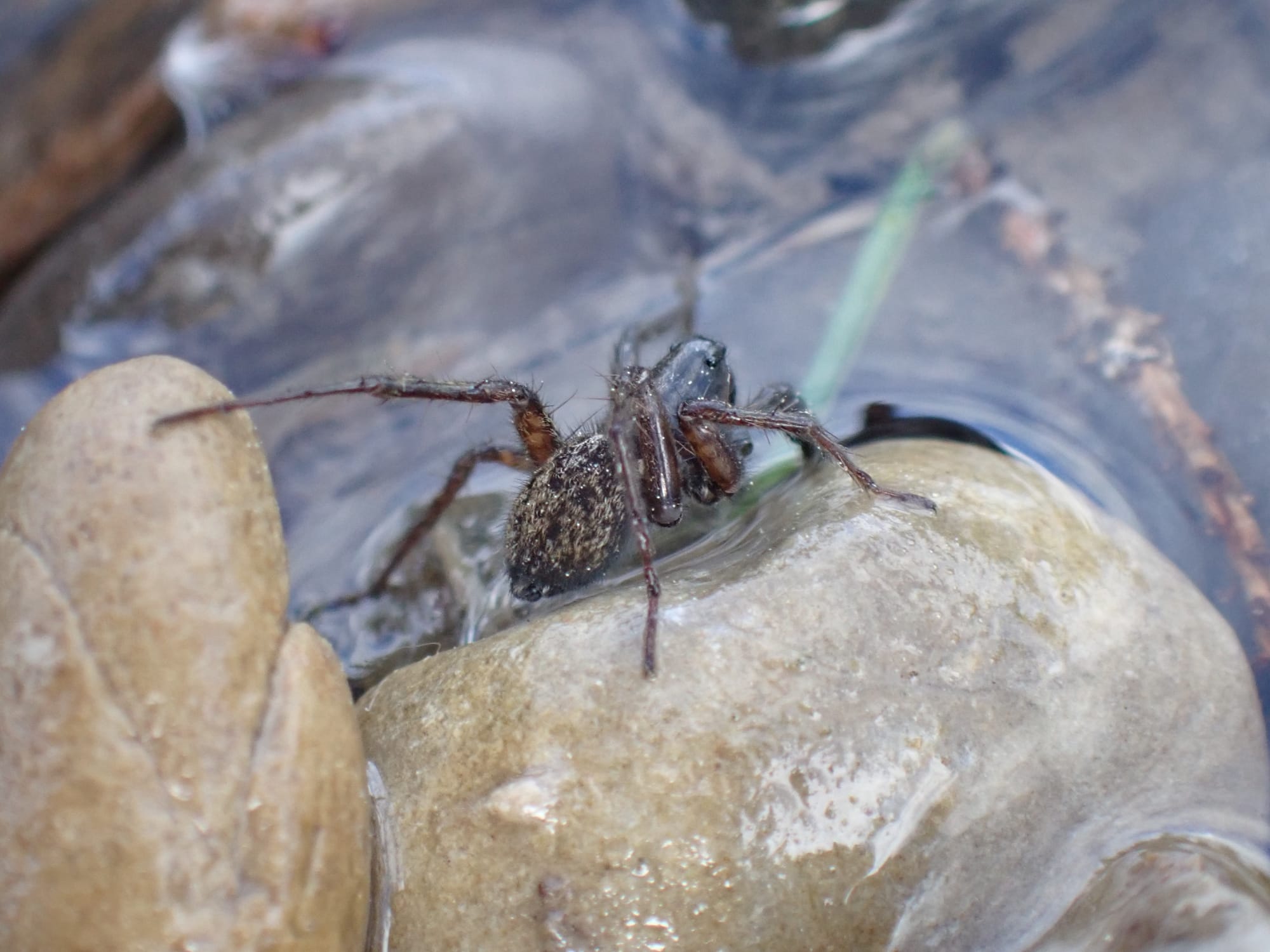
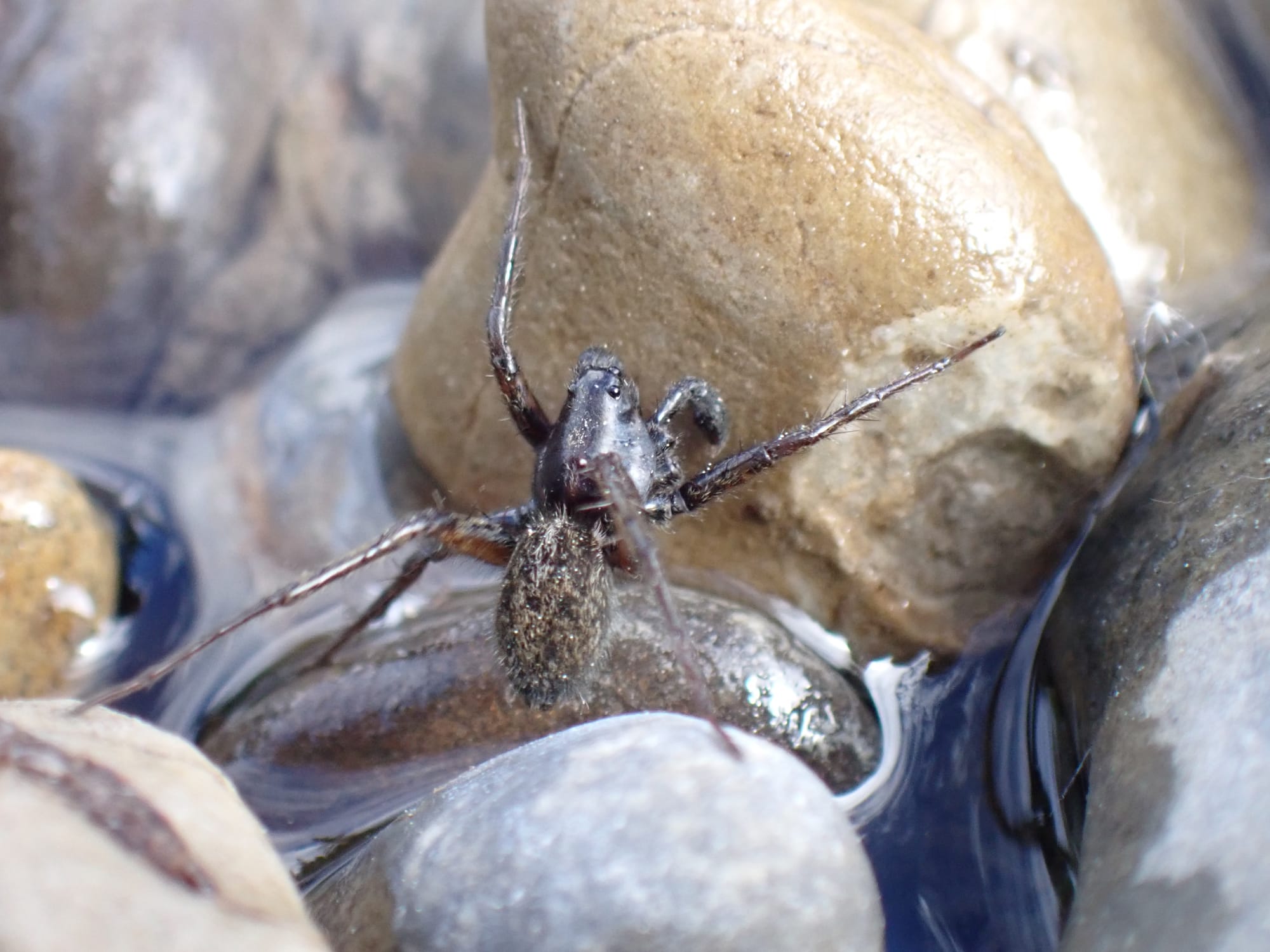
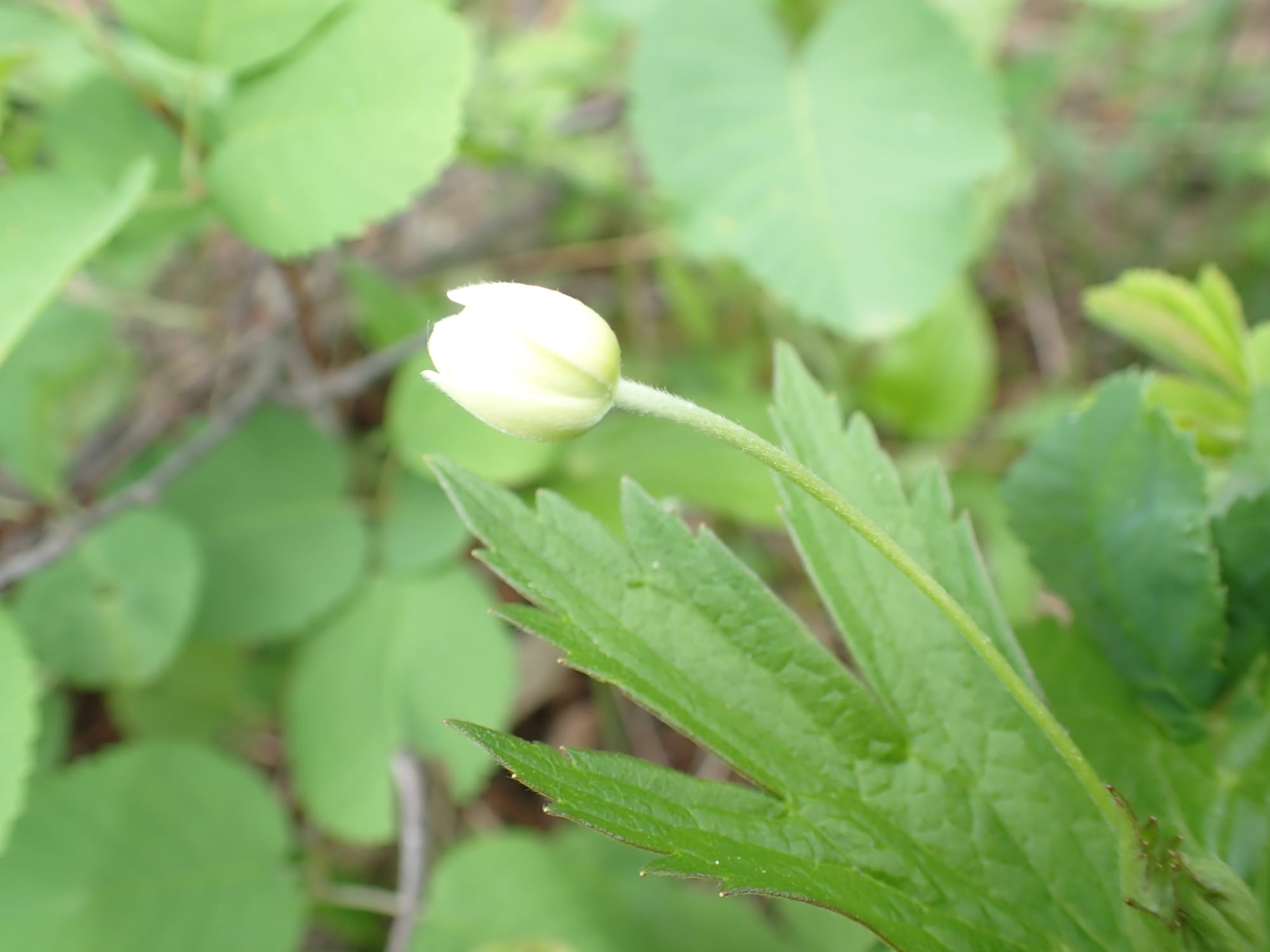
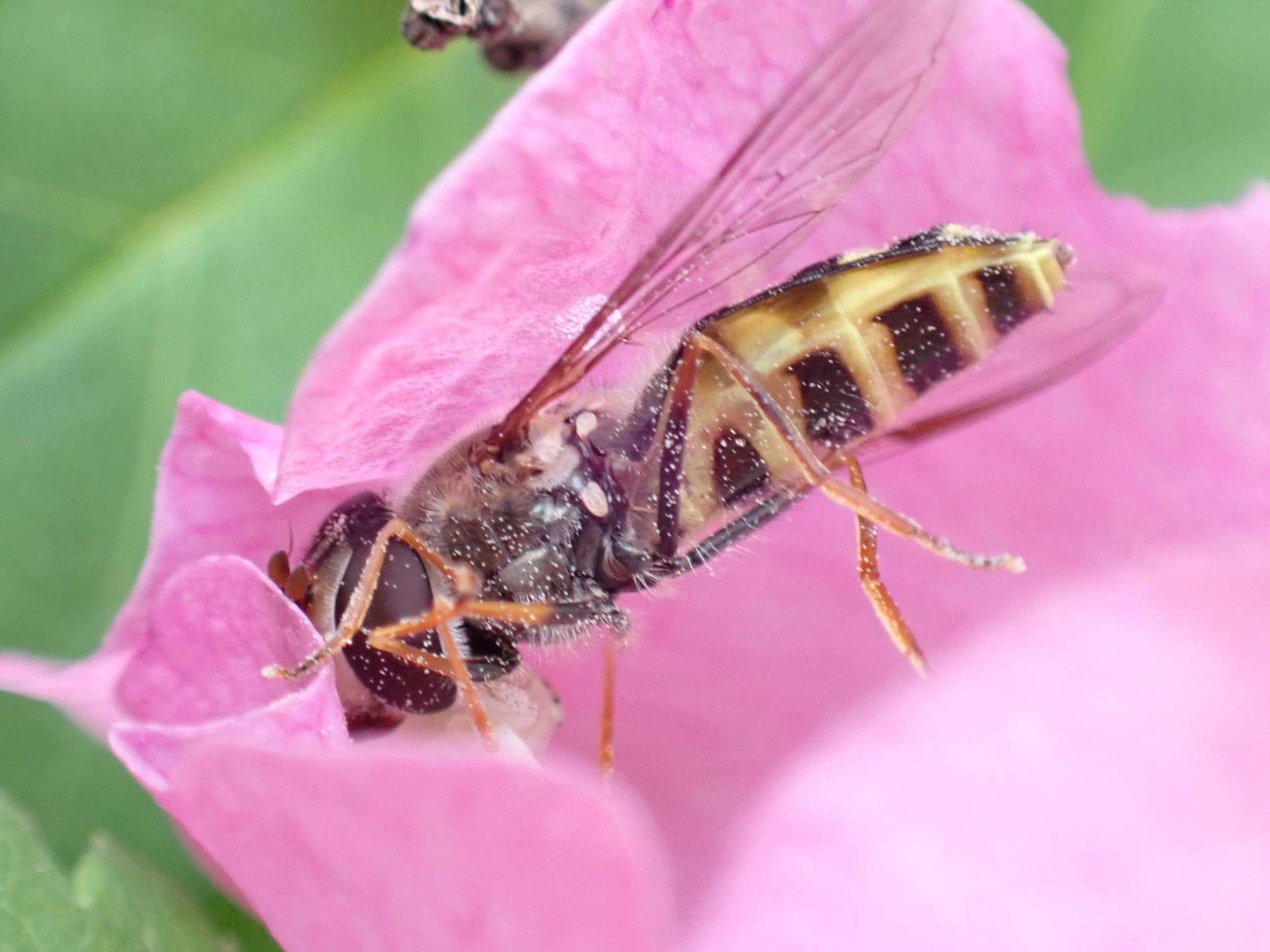
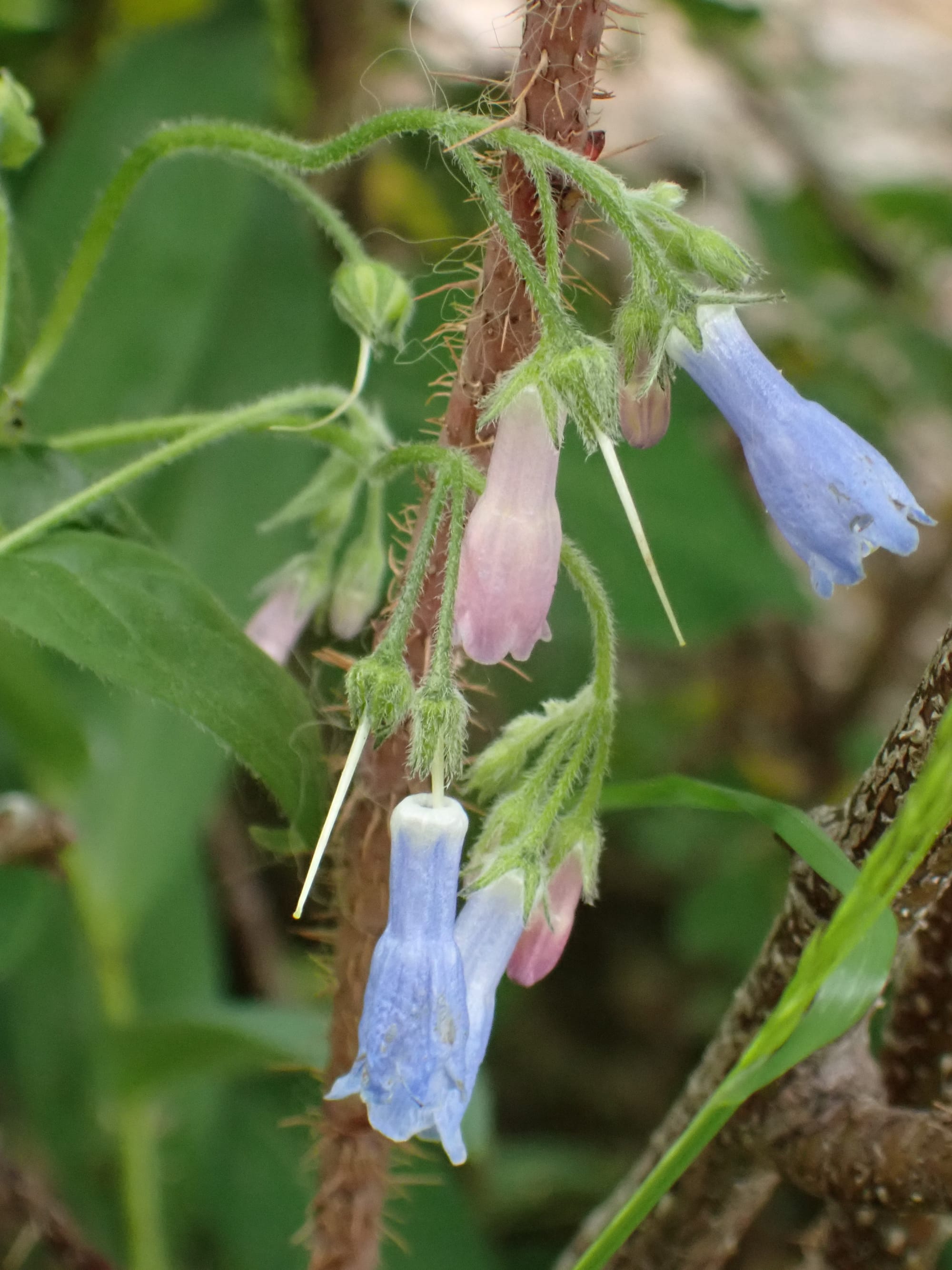
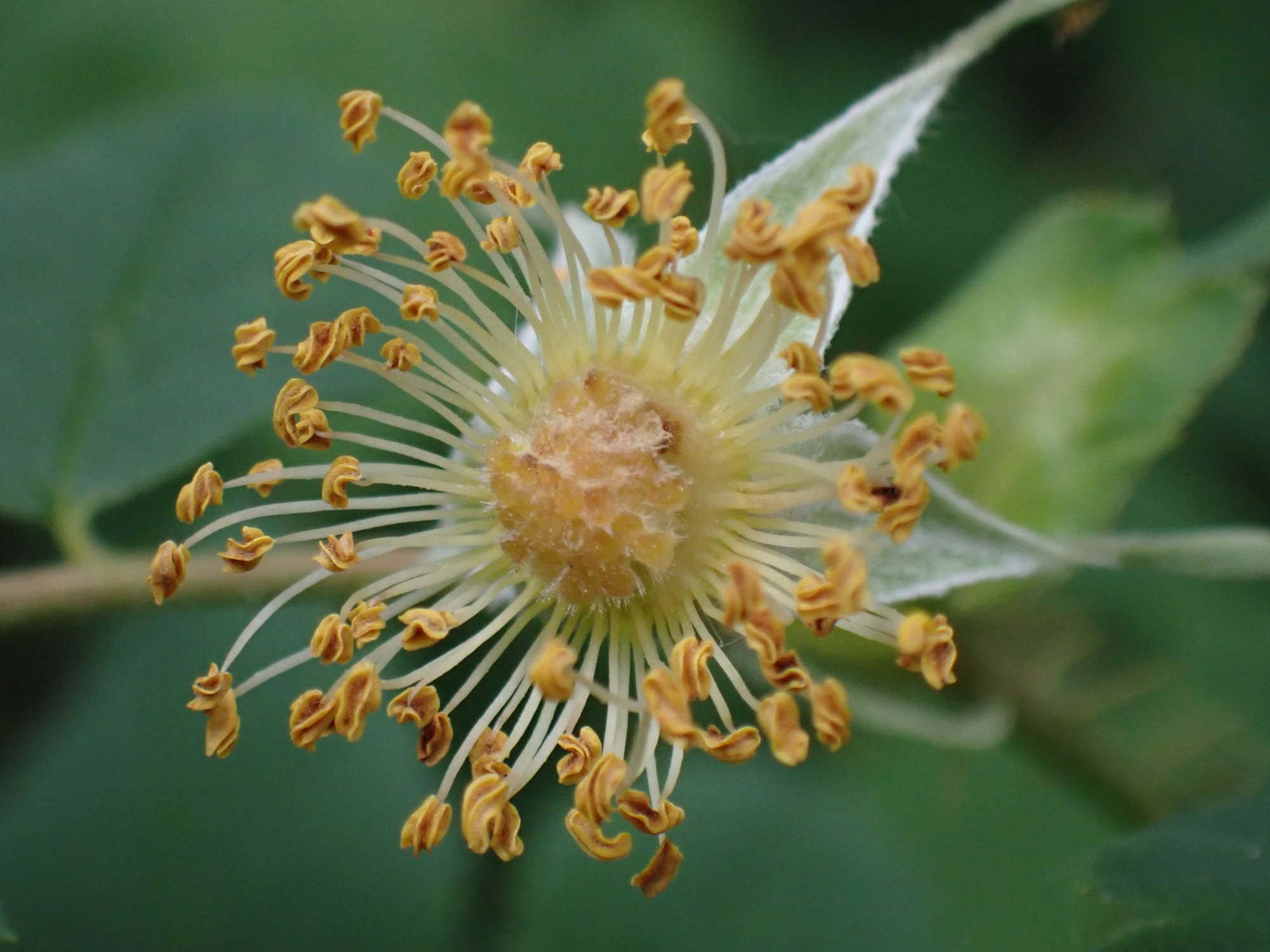
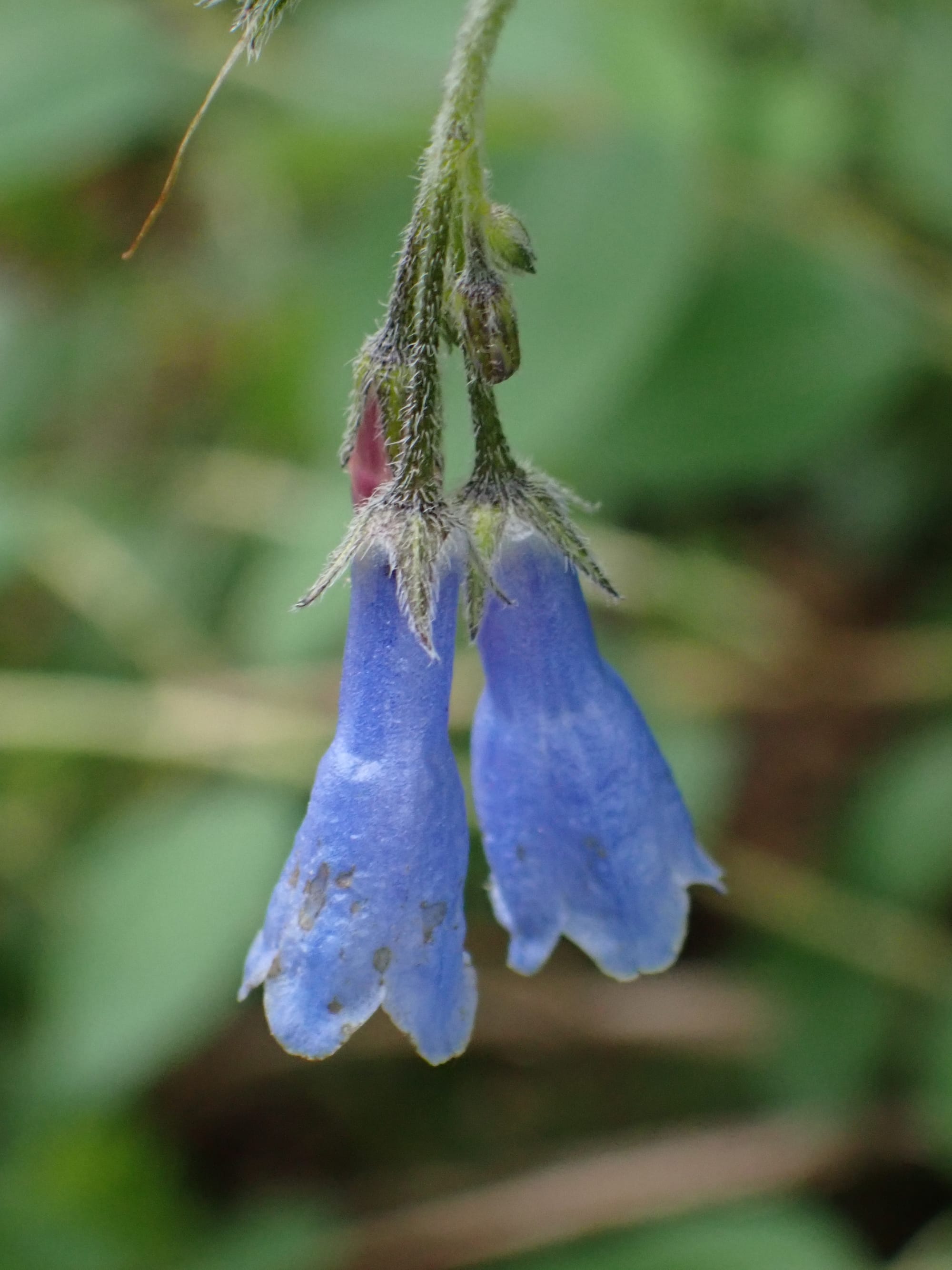
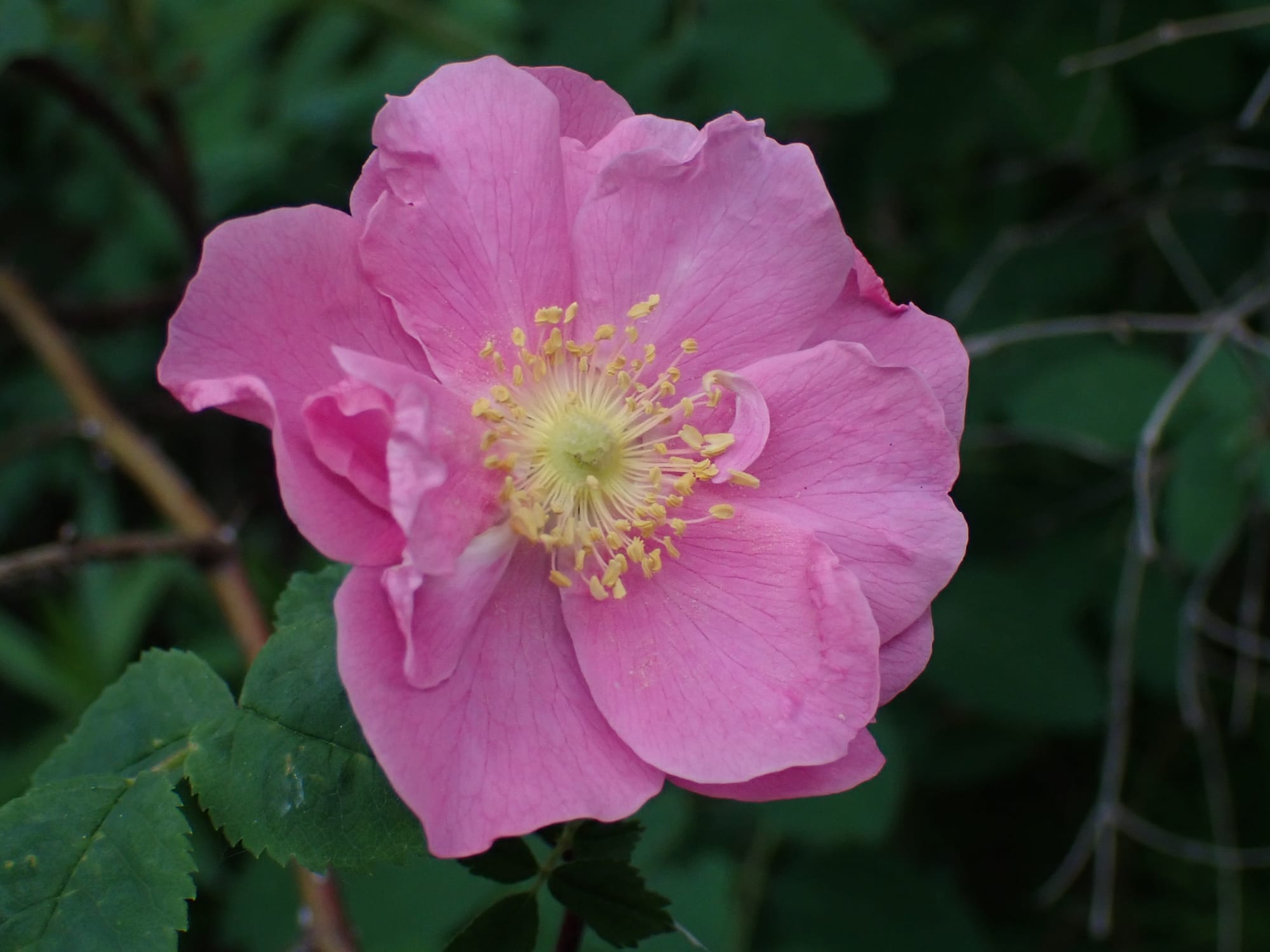
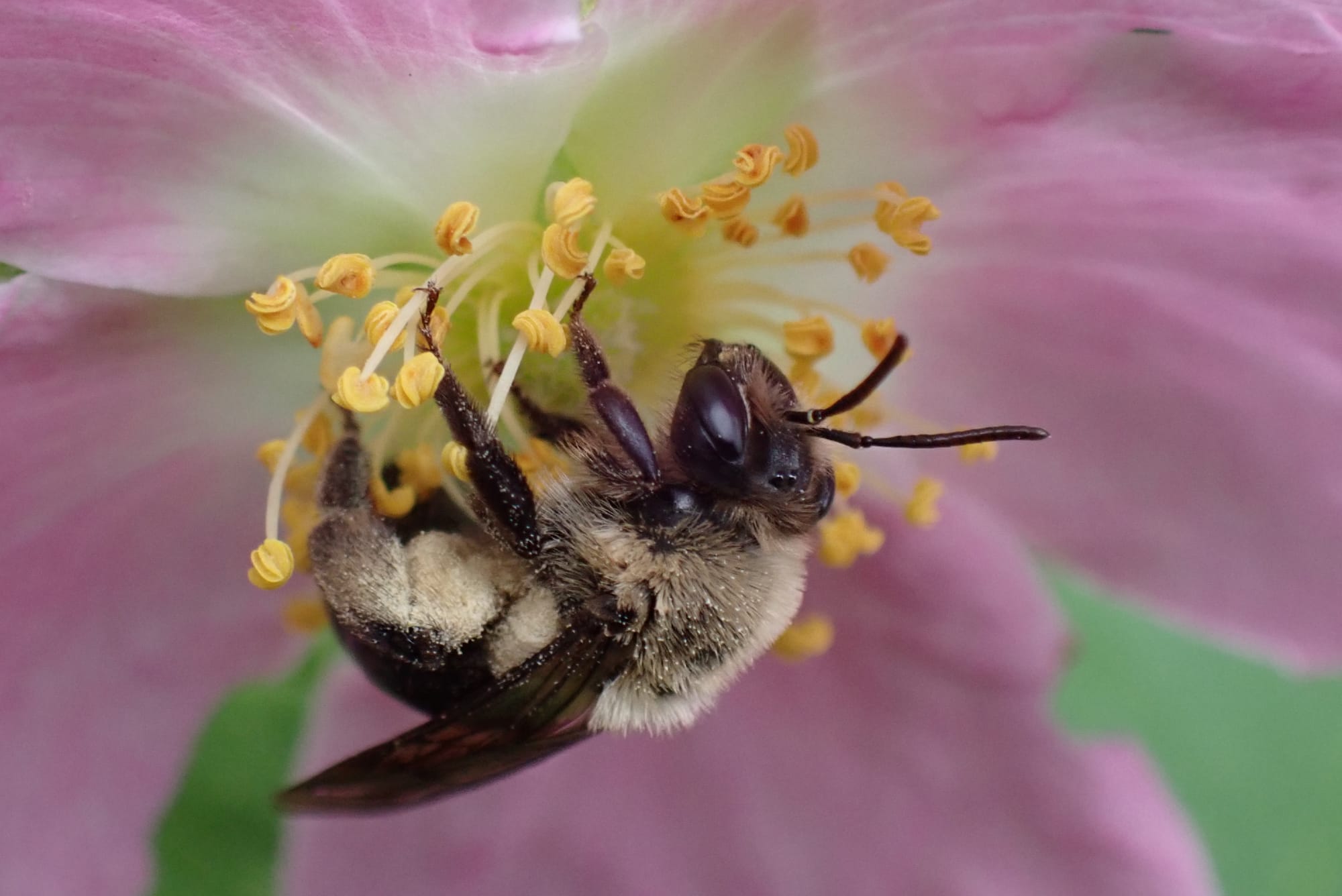
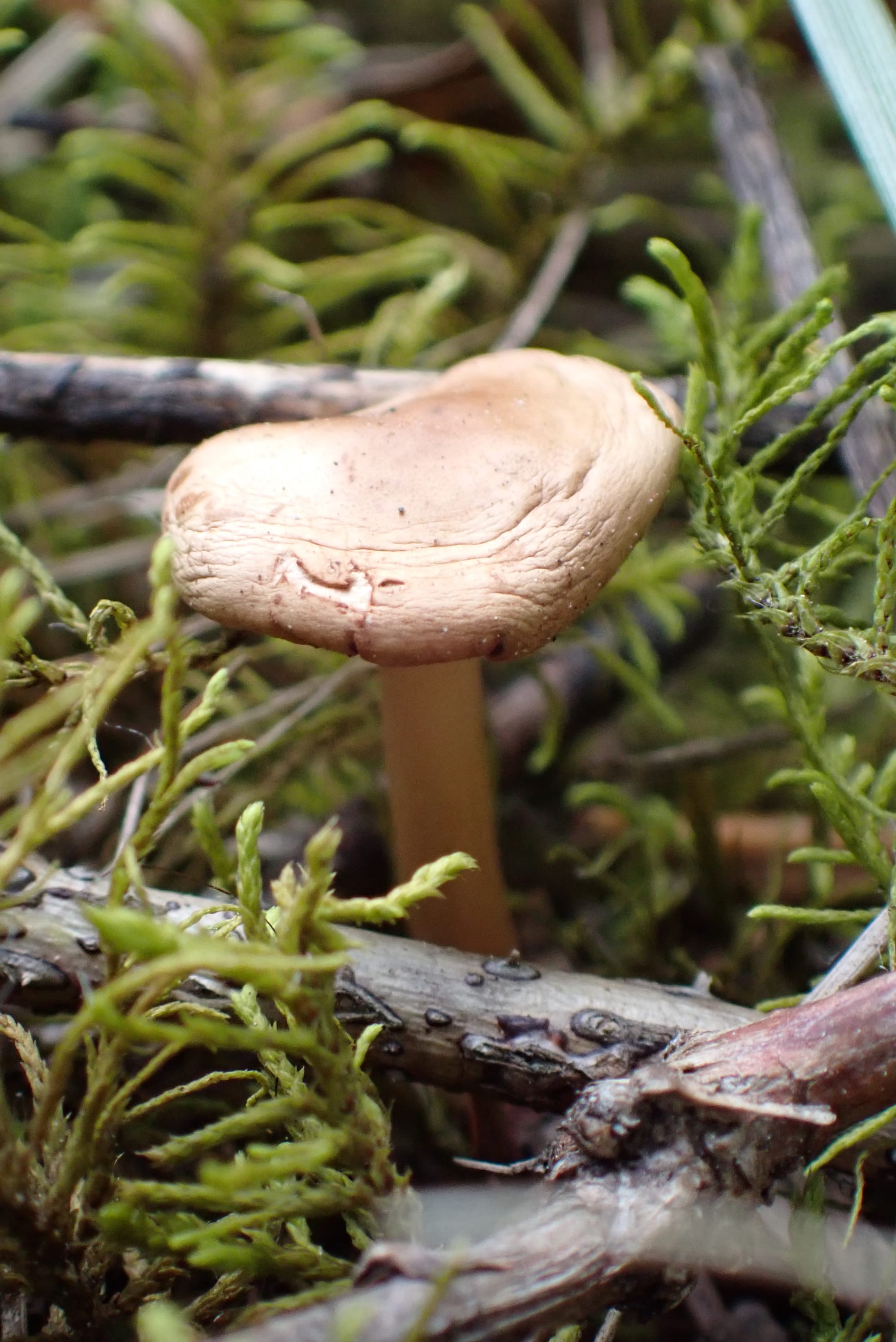
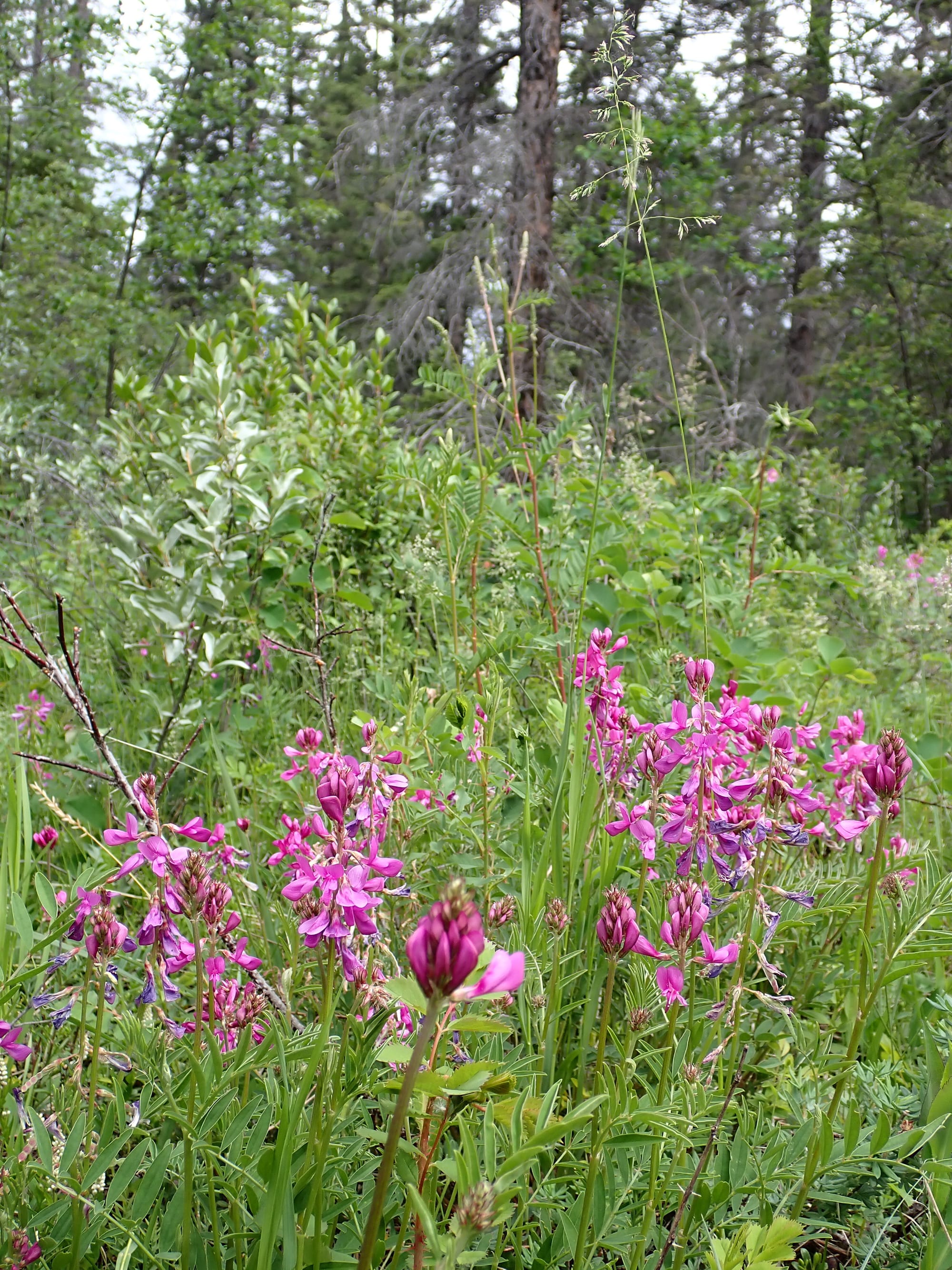
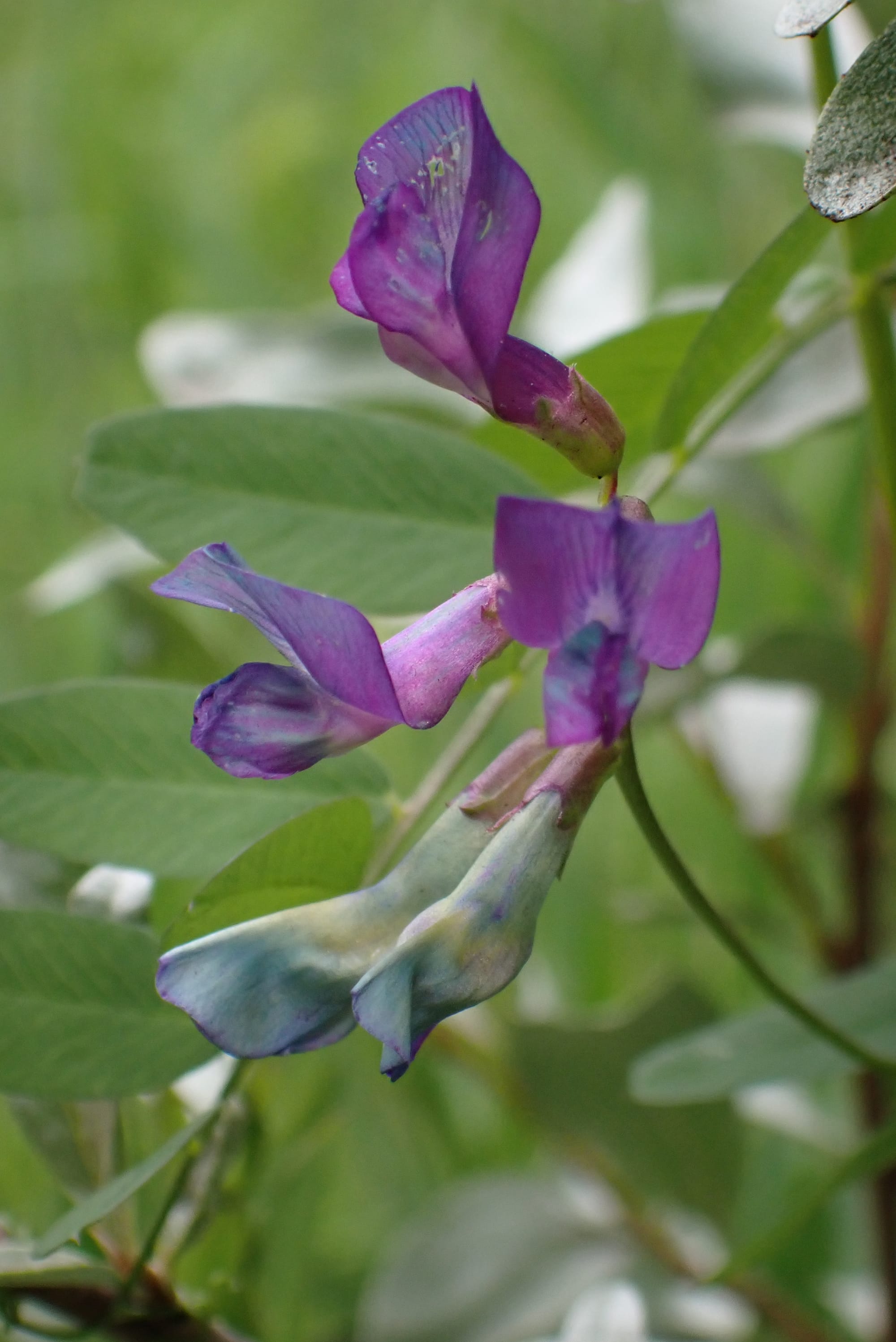
Beyond orchids, we found many other wildflowers like the Alpine Sweet-Vetch (Hedysarum alpinum), Tall Bluebell (Mertensia paniculata), and Lewis Flax (Linum lewisii). As for the non-botanical creatures, we found a truly beautiful Metallic Fir Borer (Pseudogaurotina cressoni) holding onto a petal, a Shiny Wolf Spider (Pardosa moesta) skittering around the rocks by the creek, and a Nevada Bumble Bee (Bombus nevadensis) pollinating a wild rose.
What a great way to start the summer!